2–3XImprovement
The Challenge
Why Vulnerability Risk Management Breaks Down

The Challenge
Why Vulnerability Risk Management Breaks Down
Vulnerability teams are flooded with findings but still struggle to answer basic questions: what actually matters, who owns it, and what needs to be fixed first. Multiple scanners report the same issue differently, severity scores lack context, and ownership is often unclear.
Without clear vulnerability prioritization, the result is noise, growing backlogs, and remediation efforts that don't always align to real risk.
How Brinqa Works
How Brinqa Enables Risk-Based Vulnerability Management
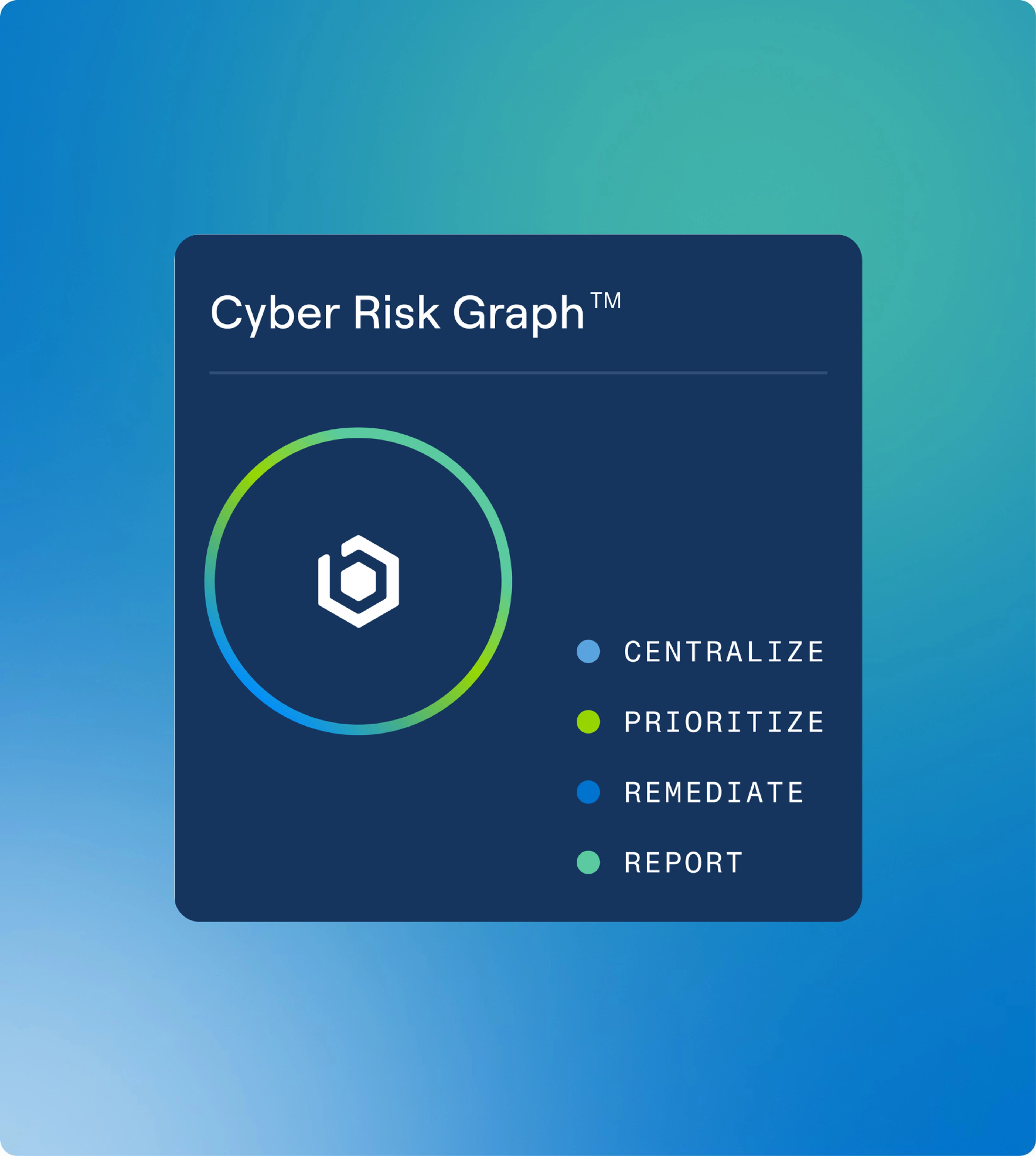
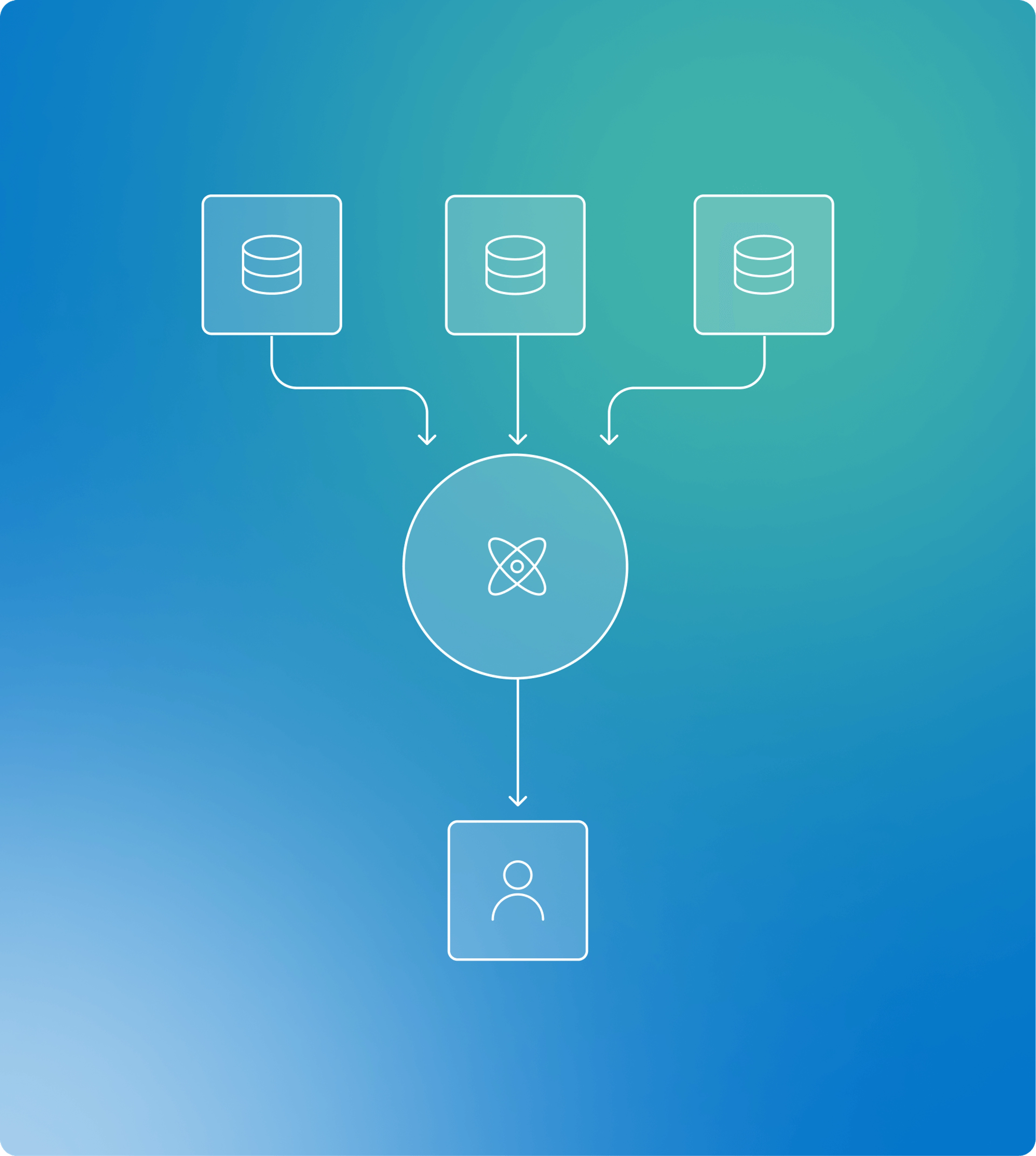
Brinqa modernizes vulnerability management by making it repeatable and scalable—unifying findings, assets, threat intelligence, and business context into a single exposure model:
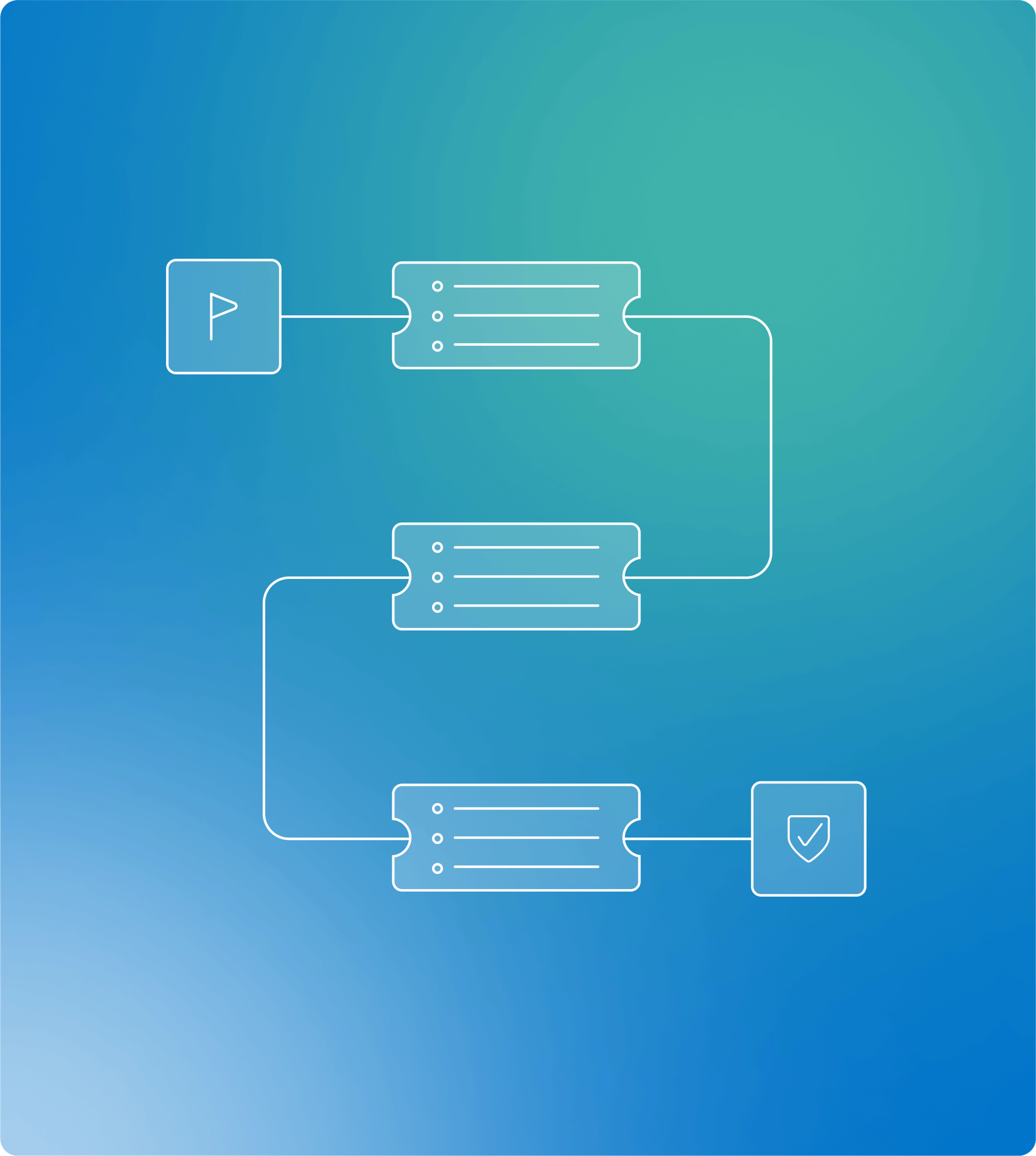
The Orchestration Layer automates vulnerability workflow routing and delivers consistent program metrics from technical teams to executive reporting. SmartFlows ensure findings reach the right teams with full context and remediation guidance, then PlexTrac proves it, testing exposures and confirming fixes hold.
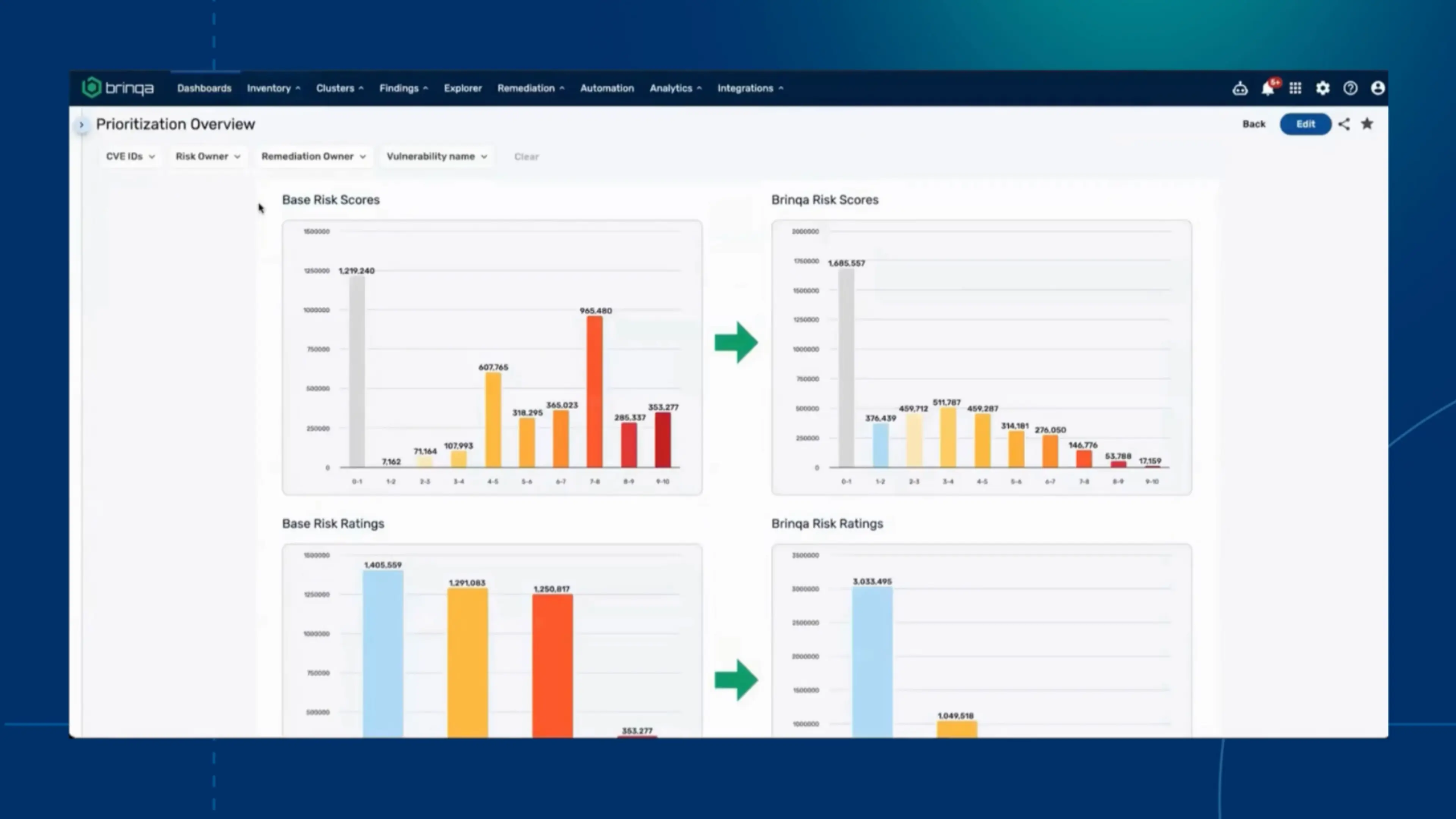
Identify True Critical Vulnerabilities
See how Brinqa focuses remediation effort
Watch how Brinqa applies organizational context to collapse the critical pile — so remediation efforts align to real risk, not raw severity.
Key Capabilities
Platform Capabilities That Power RBVM
Understanding risk based vulnerability management
Vulnerability Management, Explained
Vulnerability management provides visibility into security weaknesses—but prioritization becomes difficult at scale.

Most programs follow a continuous cycle:
- Discover vulnerabilities across assets
- Assess severity (e.g., CVSS)
- Prioritize remediation
- Track and report progress
Result: visibility into issues—but not always clarity on what matters most.
- Traditional vulnerability management prioritizes based on severity
- RBVM prioritizes based on real-world risk
RBVM helps reduce noise, but still relies on underlying vulnerability data.
Even with RBVM, teams often face:
- fragmented data across tools
- limited context across environments
- difficulty connecting exposures over time
This makes consistent risk reduction difficult.
Brinqa at Work
Solutions For Every Member of Your Vulnerability Management Program
CISO & Security Risk Management Leaders
Cut through the noise and take action on what matters.

Vulnerability & Exposure Management Leaders
Integrate insights into your workflows to keep systems secure and steady.

IT, Cloud, & App Security Teams
Centralize signals, prioritize what’s critical, and accelerate remediation.


Exposure Management
Three Demos: This Is Context-Driven Exposure Management in Action
Vulnerability Management
Vulnerability Management FAQs
Vulnerability management is the process of identifying, assessing, and remediating security weaknesses across systems, applications, and infrastructure.
At its core, it answers:
Where are we vulnerable—and how quickly can we fix it?
Most programs follow a continuous cycle:
- Discover assets and vulnerabilities
- Assess severity using scoring models like CVSS
- Prioritize remediation
- Track and report progress
Risk-Based Vulnerability Management (RBVM) improves prioritization by adding context beyond severity.
Instead of treating all high-severity vulnerabilities equally, RBVM considers:
- Asset criticality (what systems matter most)
- Threat intelligence (what’s actively exploited)
- Business impact (what risk actually looks like)
- Environmental context (where exposure exists)
This allows teams to focus on:
Which vulnerabilities pose real risk—not just theoretical severity.
Traditional vulnerability management prioritizes issues primarily based on severity scores.
That works at smaller scale—but quickly breaks down in real environments.
Security teams often face:
- Thousands of vulnerabilities
- Limited context on exploitability
- No clear way to distinguish what actually matters
This leads to:
- Backlogs that never shrink
- Teams chasing high scores instead of real risk
Key Difference
- Traditional VM: Prioritizes based on severity (e.g., CVSS)
- RBVM: Prioritizes based on real-world risk
RBVM reduces noise—but it still depends on underlying vulnerability data.