The Challenge
Why Exposure Is Hard to Understand in Practice

The Challenge
Why Exposure Is Hard to Understand in Practice
Exposures don’t live in one tool. It spans vulnerabilities, cloud misconfigurations, identity risk, application findings, and infrastructure issues… often owned by different teams.
When this data stays siloed, teams struggle to connect context, align priorities, and coordinate remediation across the enterprise.
How Brinqa Works
How Brinqa Enables Unified Exposure Management
Three-Layer Architecture for Unified Exposure Intelligence: Unified exposure management requires a platform built to handle the complexity of enterprise environments—multiple tools, teams, and attack surfaces working as a coordinated system.

The Orchestration Layer operationalizes unified exposure data through automated workflows, PlexTrac validation, and consistent reporting across all stakeholders. SmartFlows route exposure findings to responsible teams while unified dashboards deliver program metrics executives can trust.
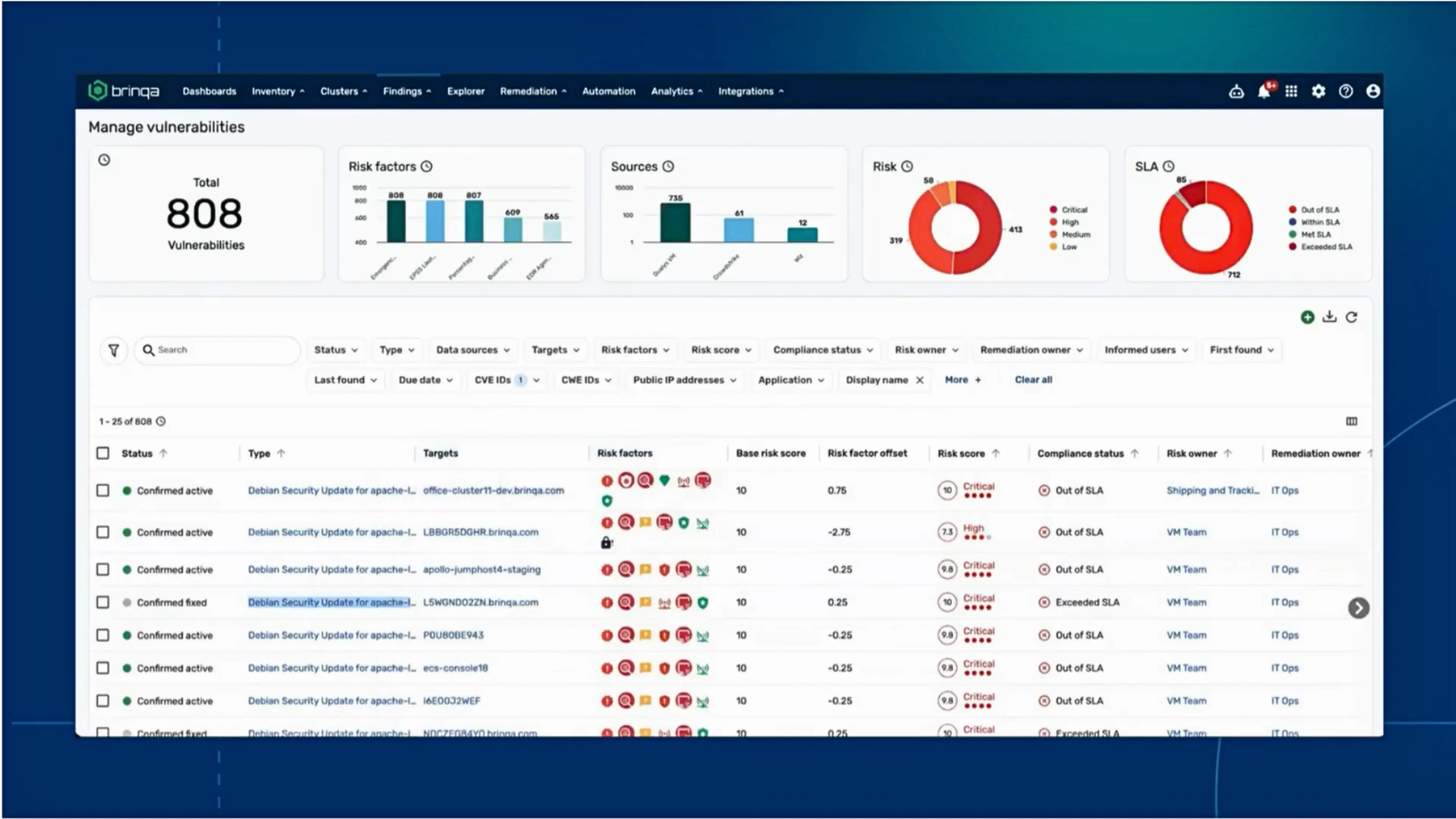
Contextual Risk Scoring
See how Brinqa connects exposure data to risk decisions
Watch how Brinqa correlates asset environment, ownership, and threat context to produce a risk score that reflects the full exposure picture.
Solution Overview
Brinqa's Unified Exposure Management Playbook
Brinqa operationalizes exposure management by turning the principles outlined in the Exposure Management Playbook into repeatable, day-to-day execution across data, prioritization, remediation, and reporting.
Brinqa creates a reliable foundation for exposure decisions
Exposure management breaks down when teams don’t trust the data. Brinqa addresses this by unifying fragmented security and asset data into a single, connected exposure model.
Rather than layering another dashboard on top, Brinqa normalizes, deduplicates, and reconciles conflicting records so assets, vulnerabilities, identities, and environments are represented once — accurately and consistently.

Brinqa ensures prioritization reflects how the business operates
Generic severity scores don’t capture what truly matters. Brinqa operationalizes context by continuously enriching exposure data with ownership, environment, data sensitivity, and safeguards.
This allows prioritization to adjust dynamically as assets change — elevating exposure tied to critical services while deprioritizing issues that pose limited real-world impact.
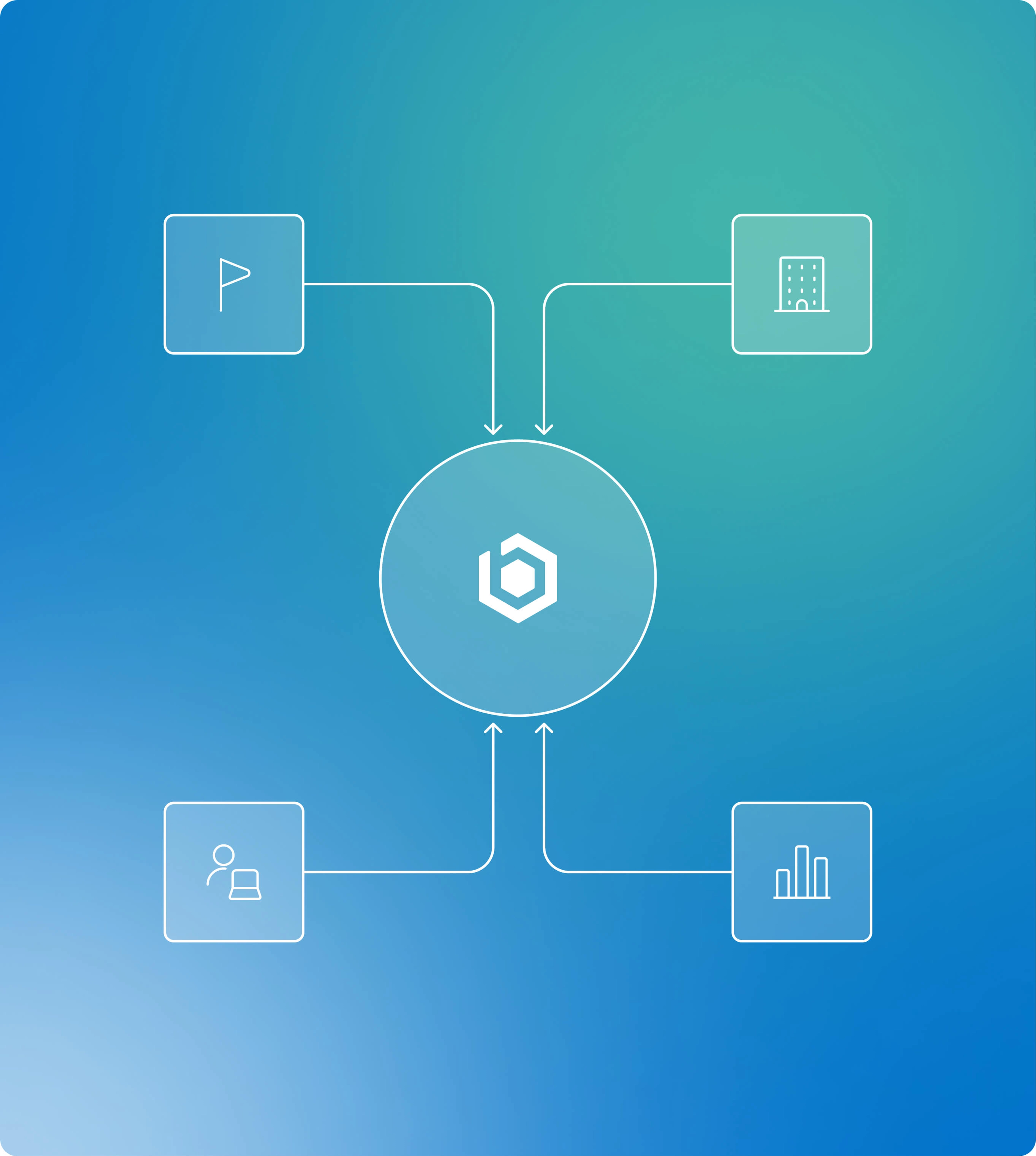
Brinqa connects issues so teams see how risk actually materializes
Exposure rarely comes from a single flaw. Brinqa correlates vulnerabilities, misconfigurations, identities, and threat intelligence to reveal how individual issues combine into meaningful attack paths.
By modeling relationships across domains, Brinqa shifts teams away from managing isolated findings and toward addressing the combinations of exposure that attackers can exploit.

Brinqa turns exposure insight into action that moves
Knowing what matters is only half the equation. Brinqa operationalizes remediation by collapsing duplicate issues, clarifying ownership, and delivering evidence-rich fixes directly into the systems teams already use.
Each exposure is tracked end to end, ensuring accountability doesn’t get lost as issues move across tools and teams.

Brinqa makes progress visible to leaders
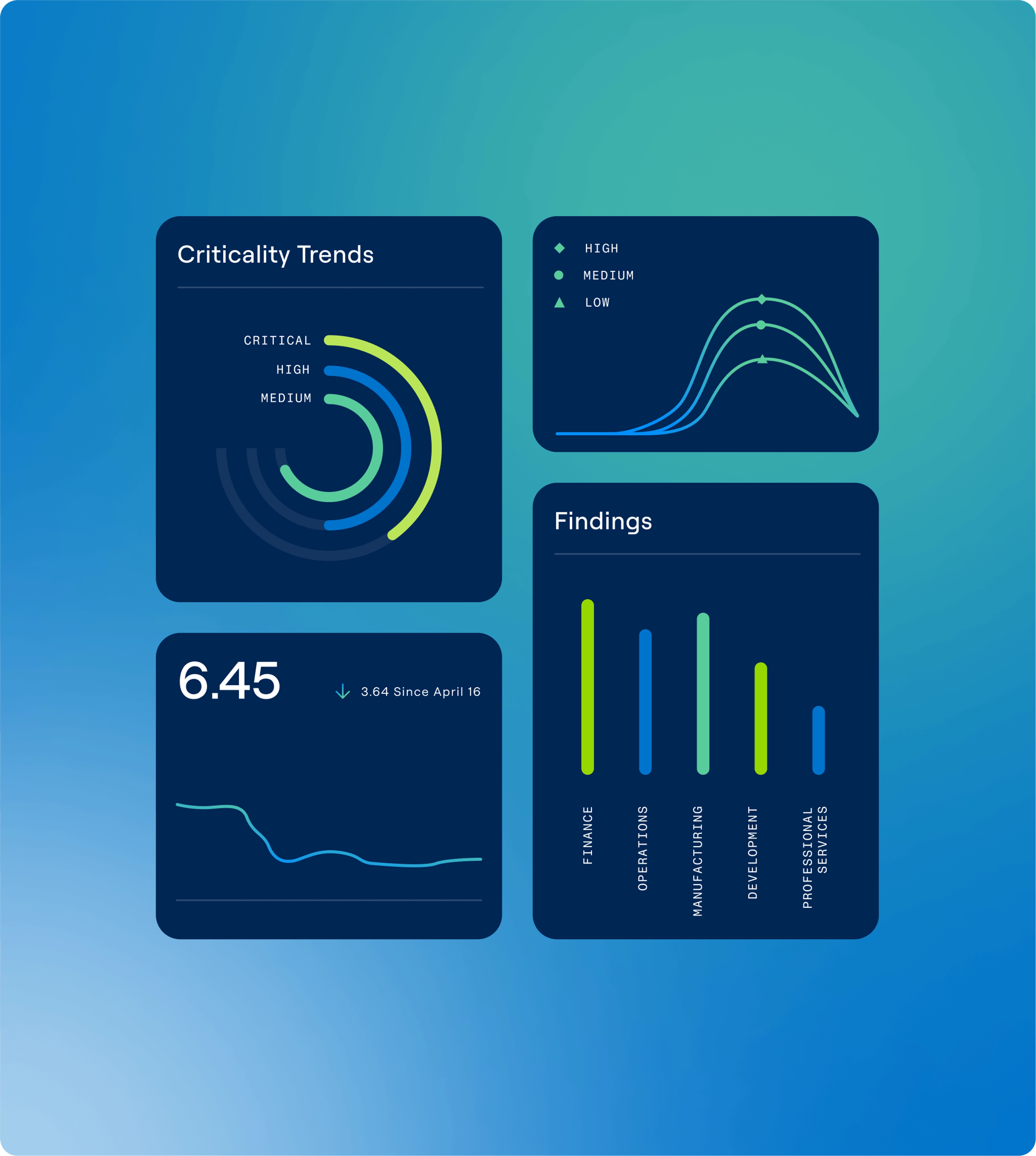
Exposure management succeeds when progress is measurable and defensible. Brinqa translates remediation activity into clear signals of exposure reduction, ownership, and trend-based improvement.
Instead of reporting raw counts, teams can show how exposure is changing over time, where risk is being reduced, and where attention is still required.
Why Brinqa
Discover Key Features That Deliver an Enterprise Level Strategic Edge
Customer Success Stories
Proven Enterprise Outcomes
"Brinqa helps us work smarter. It gives us visibility across the enterprise and lets us focus on higher-value work instead of manual reporting."
Sr. Cybersecurity Engineer, Fortune 500 Tech Leader
Understanding Exposure Management
Unified Exposure Management, Explained

How exposure management works
Exposure management brings together vulnerabilities, assets, threat intelligence, and business context to create a clearer picture of risk. Instead of evaluating each signal in isolation, it connects what could be exploited, what matters most, and what is actively targeted. The result is prioritization based on real-world risk—not just severity scores.

Exposure management vs vulnerability management
Vulnerability management identifies issues. Exposure management determines which issues actually matter—by adding context, prioritization, and continuous decision-making.

How exposure management supports CTEM
Exposure management provides the intelligence layer behind CTEM. It enables continuous prioritization so security teams can act on the exposures that reduce risk the most.
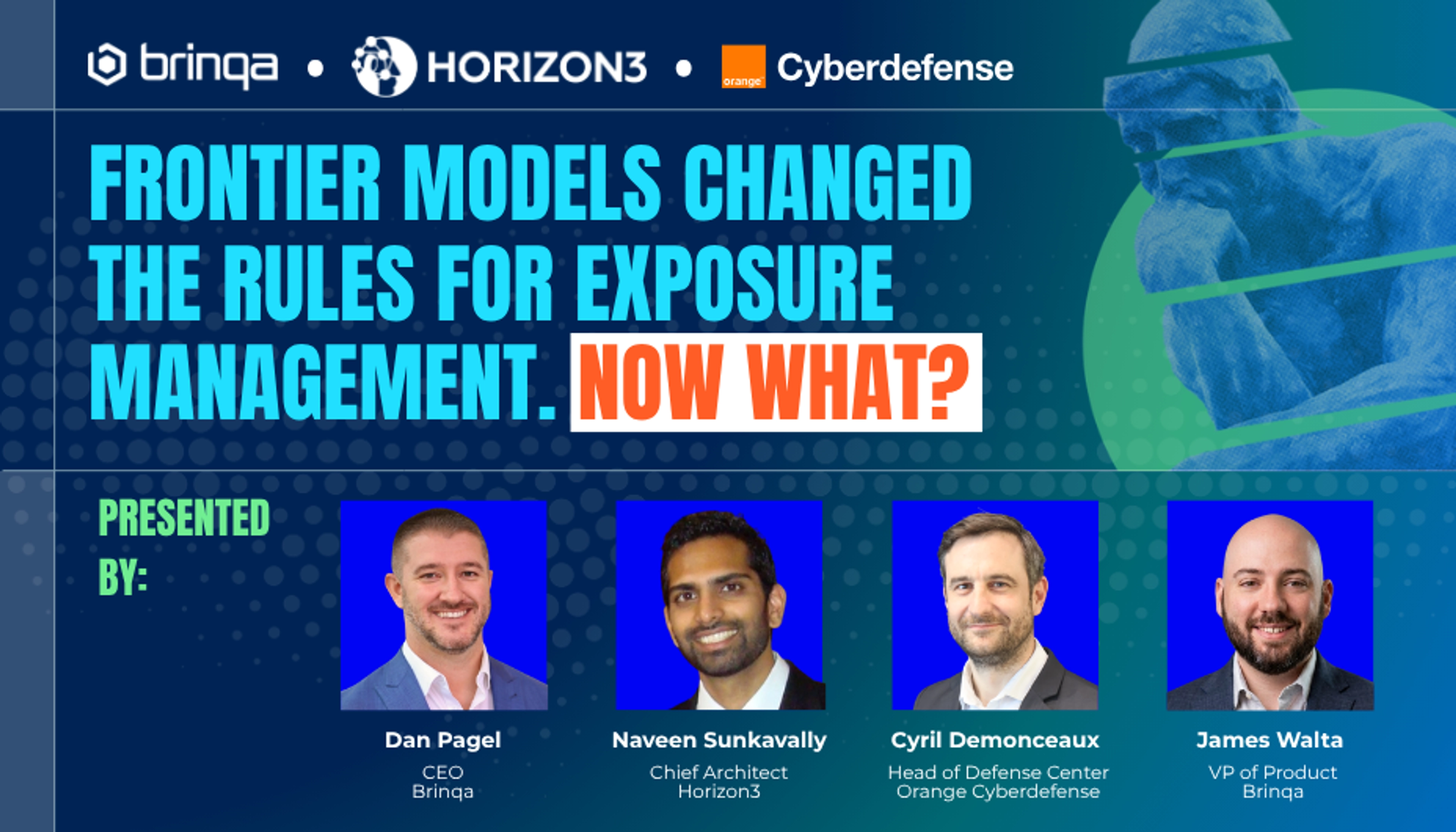
Whitepaper/Guide
Your Exposure Management Program Wasn't Built for This
What is Exposure Management?
Exposure management is the practice of prioritizing security risk by connecting vulnerabilities, assets, threats, and business context. It helps teams focus on what is actually exposed, and what matters most.
Exposure management works by continuously correlating findings from vulnerability scanners, cloud posture tools, identity systems, and application security testing into a single risk view, then ranking exposures by real-world exploitability and business impact.
Key components of exposure management:
- Unified asset and vulnerability data
- Business context and criticality mapping
- Continuous validation of what's actually exploitable
- Prioritized remediation guidance
Exposure Management FAQs
Exposure management is the process of prioritizing security risk by connecting vulnerabilities, assets, threats, and business context.
It helps security teams focus on what actually reduces risk instead of trying to address every vulnerability equally.
Vulnerability management focuses on identifying and fixing weaknesses.
Exposure management builds on that by adding:
- Context
- Prioritization
- Continuous decision-making
It doesn’t replace vulnerability management—it makes it more effective.