Your AI-Powered Exposure Management Playbook: How to Build Clarity Inside the Chaos
/
Why Exposure Management Programs Stall Before They Deliver

Why Exposure Management Programs Stall Before They Deliver
An exposure management program is a structured, continuous practice of identifying, prioritizing, and remediating security risks across an organization's full attack surface — including vulnerabilities, misconfigurations, asset gaps, and identity exposures. It goes beyond vulnerability management by incorporating business context, threat intelligence, and ownership accountability to ensure remediation effort is focused where it reduces the most risk.
Most programs stall not because teams lack tools, but because they lack the right foundation. Ownership is structurally unclear — Brinqa's analysis of enterprise customer environments finds that 78% of assets lack a defined risk owner on average, so findings route to everyone and get actioned by no one. Clean data, clear ownership, and explainable AI are what separate a program from a fire drill.
5 Steps to Data-Driven Clarity
What's Inside the Playbook
Five steps for building an exposure management program that operates with clarity — not by eliminating complexity, but by building the infrastructure to navigate it.
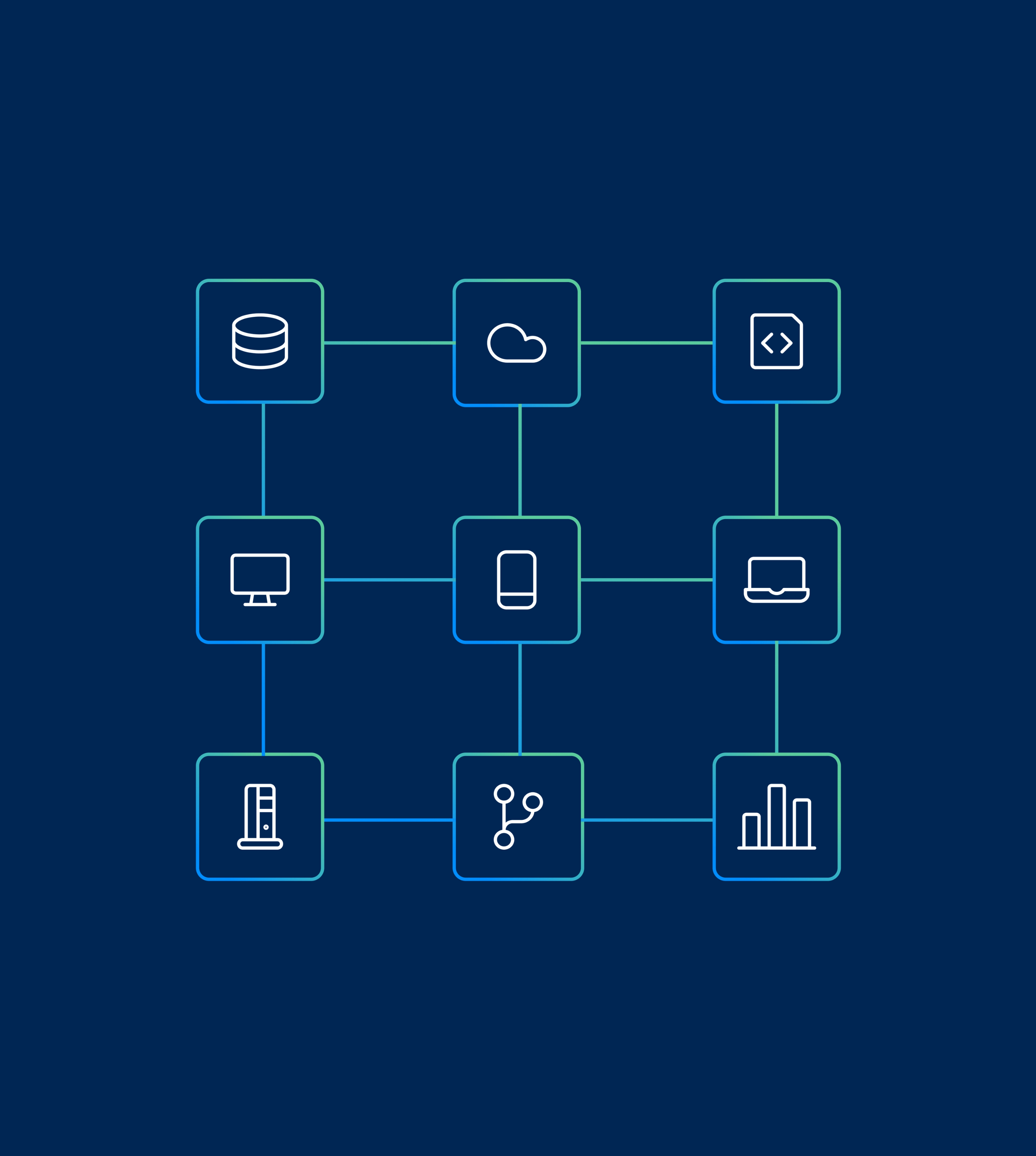
Most enterprise environments run multiple scanners, cloud tools, and asset inventories with no consistent view — the same vulnerability flagged multiple times, each with a different taxonomy and severity. Step one covers how to build a unified, deduplicated data foundation, and why it's the prerequisite for AI your team can trust.
Vulnerability prioritization is ranking remediation effort based on real-world risk, not raw severity scores. CVSS treats every instance of a vulnerability identically regardless of where it lives. Step two covers how to layer in asset ownership, environment, exploit activity, and compensating controls to surface what actually needs to be fixed first.
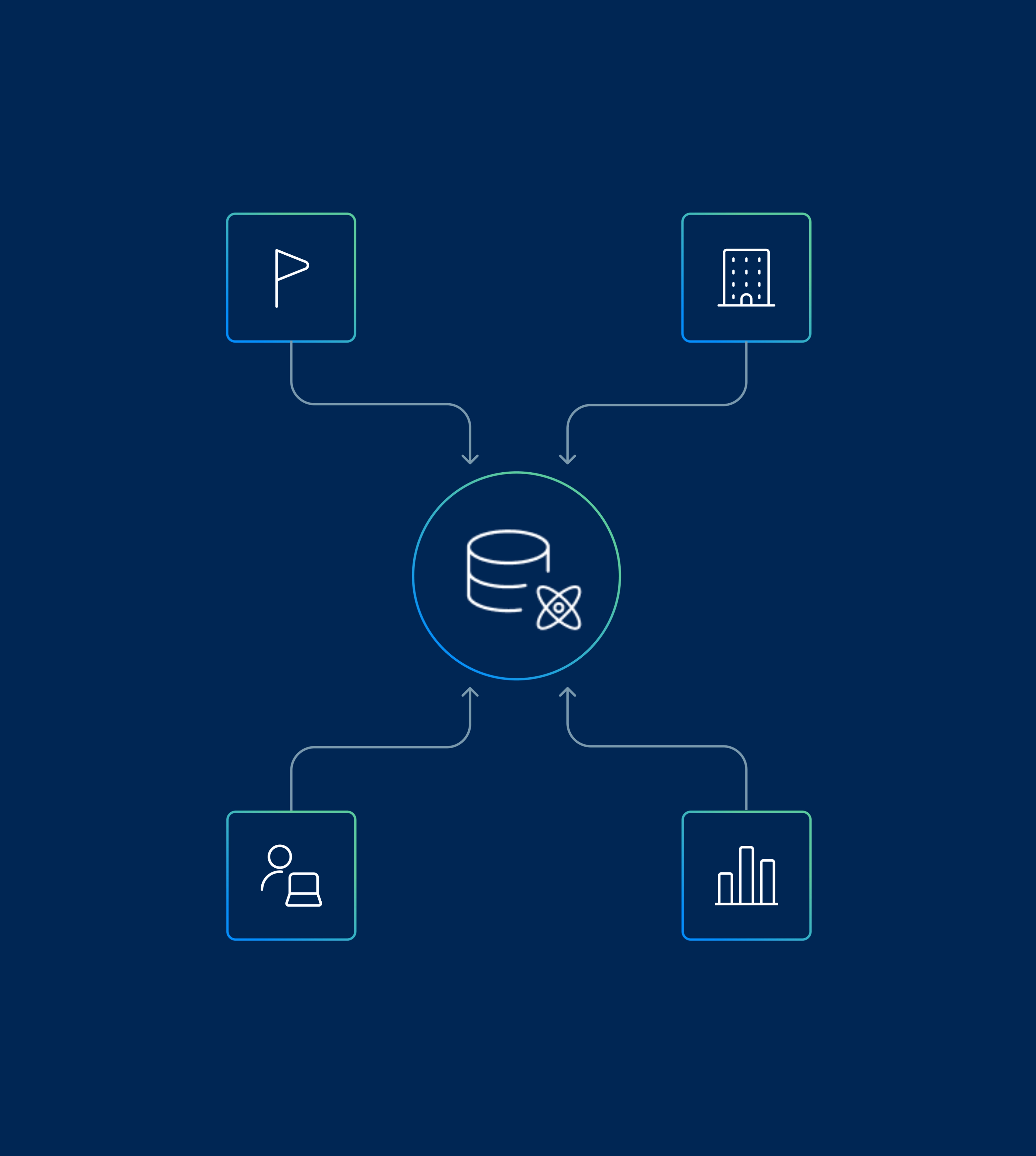
Individual exposures rarely tell the full story. A misconfigured cloud bucket and an outdated browser plugin are minor in isolation — until they form an attack path. Step three covers how to correlate assets, findings, and live threat intelligence to surface those connections before they become incidents.
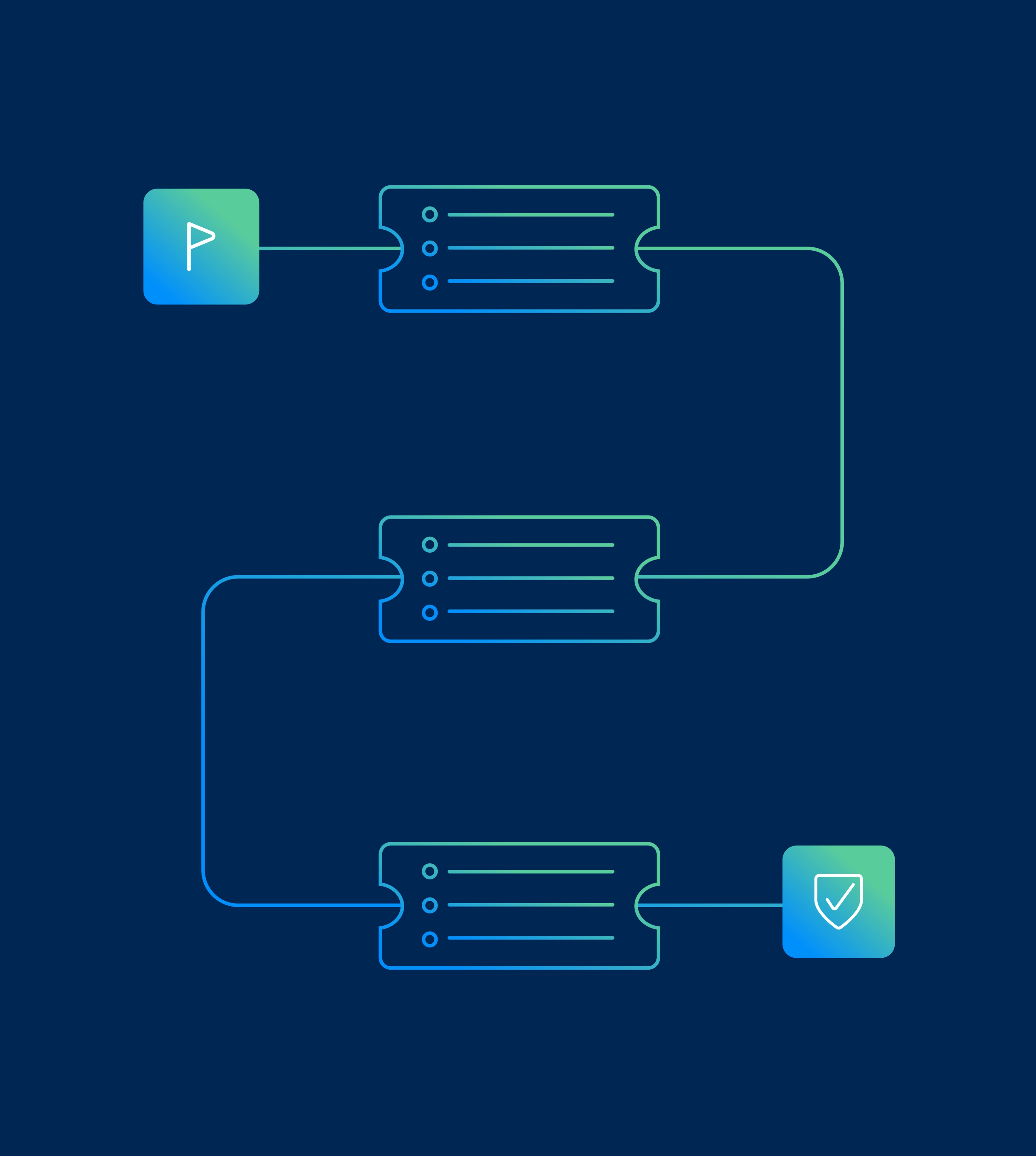
The fire drill happens when a finding routes to seven people because no one established ownership upstream. Step four covers how deduplication, AI-assisted ownership attribution, and automated workflow routing replace reactive chaos with a program that executes predictably.
Reporting that counts vulnerabilities closed doesn't land with boards. Step five covers outcome-based reporting by business unit, SLA performance, and risk reduction trend — and what that shift means for board credibility and SEC disclosure readiness.
More Than a Framework
Beyond the Five Steps: Everything Inside the Playbook

Real-World Scenarios
See how organizations actually unify fragmented data, close ownership gaps, surface attack paths, and build reporting that lands with leadership — so each step is grounded in what it looks like in practice, not just in theory.

Step-by-Step Checklists
A practical play-by-play for each stage of your program — the key decisions, actions, and sequencing required to build clarity out of complexity, without trying to do everything at once.

Metrics That Matter
The indicators that tell you whether your program is actually working: data accuracy, contextual risk scoring, remediation velocity, SLA compliance, and executive-level risk trends — mapped to each step so you know what to measure and when.
Outcomes
What Clarity Looks Like in Practice
Nestlé

Asurion

Fortune 500 Technology Company

The Numbers Behind the Chaos

60%
of breach victims compromised through a known vulnerability where a patch existed but was never applied (Ponemon 2025 Cybersecurity Threat and Risk Management Report)

88%
of security professionals say alert volume has increased (Cybersecurity Insiders, Pulse of the AI SOC 2025)

78%
of enterprise assets lack a defined risk owner on average (Brinqa analysis of enterprise customer environments)

$4.44M
Global average cost of a data breach (IBM Cost of a Data Breach Report, 2025)

24 days
median time to detect a breach (Verizon DBIR 2025)

98%
reduction in reporting time achieved after automating ownership attribution (Brinqa customer data)
Frequently Asked Questions About Exposure Management Programs
An exposure management program is a structured, continuous practice of identifying, prioritizing, and remediating security risks across an organization's full attack surface — including vulnerabilities, misconfigurations, cloud risks, and identity exposures. It goes beyond vulnerability management by incorporating business context, threat intelligence, and ownership accountability to ensure remediation effort is focused on the risks that pose the greatest real-world threat.
Vulnerability management focuses on identifying and remediating known software vulnerabilities (CVEs). Exposure management is broader — it adds asset visibility gaps, misconfigurations, cloud risks, and identity exposures, plus the business context needed to prioritize them accurately. Where vulnerability management answers "what exists," exposure management answers "what actually matters, who owns it, and what should be fixed first."
A risk owner is the business stakeholder accountable for an asset — the person who bears organizational responsibility if it's compromised. A remediation owner is the technical person responsible for fixing the vulnerability. Both are required: without both defined, findings route to everyone and get actioned by no one. Brinqa's analysis shows 78% of enterprise assets lack a defined risk owner and 66% lack a defined remediation owner.
Continuous Threat Exposure Management (CTEM) is a Gartner-defined framework of five stages: scoping, discovery, prioritization, validation, and mobilization. An exposure management program operationalizes CTEM by providing the data foundation, risk context, ownership assignment, and workflow automation each stage requires. Without accurate, contextualized exposure data, the prioritization and mobilization stages break down entirely.
AI improves exposure management in three ways: it deduplicates findings across scanning tools so teams work from signal rather than noise; it automates ownership attribution by analyzing data sources and historical remediation behavior; and it scales attack path correlation across thousands of assets simultaneously. AI is only as reliable as the data it runs on — a trustworthy data foundation is the prerequisite for recommendations teams can explain and act on.
Effective board-level reporting focuses on outcomes, not activity. Key metrics include organizational risk score over time, risk reduction by business unit, SLA compliance by remediation team, MTTR for critical findings, and percentage of findings with a defined owner. SEC rules now require public companies to report material incidents within four business days — making consistent, outcome-based reporting both a board expectation and a compliance requirement.
Start with data, not tools. Establish a unified view of assets and findings first — connecting your vulnerability scanner, CMDB, and ticketing system into a common data model. Then define ownership: a risk owner and remediation owner for each asset class. Once data quality and ownership are in place, prioritization and automation have a reliable foundation to build on. Programs that stall almost always tried to automate before the underlying data was trustworthy enough to support it.