
Platform AI Layer

AI-Powered Clarity That Accelerates Decisions.

The Brinqa Platform’s AI Layer fills data gaps, merges duplicate findings, and enriches exposure intelligence – so your team works with cleaner, more complete data. Transparent, explainable, and built to keep humans in control

The Challenge

Why Exposure Management Programs Stall Even With Good Data

Even with a solid data foundation, exposure management programs hit the same friction points at scale. Brinqa customer data reveals that ownership gaps often exceed 60–80% in complex enterprise environments. Manual processes can’t keep pace with the volume of findings or the complexity of modern environments. These gaps create operational bottlenecks that slow every program down:

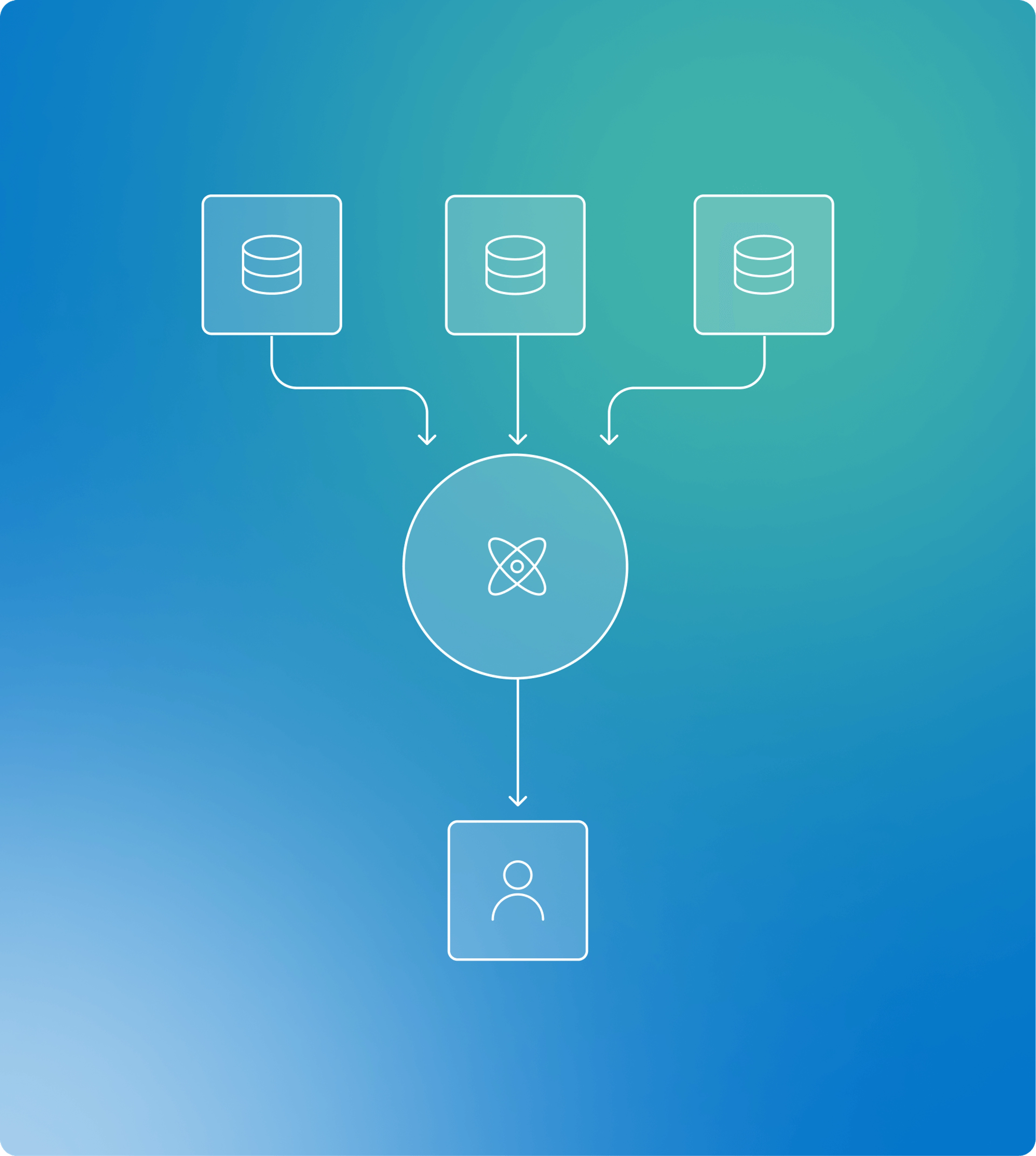
  • Duplicate findings from multiple scanners inflate risk metrics and generate conflicting tickets for the same underlying issue
  • Missing or incomplete ownership data leaves exposures unassigned, with no clear accountability for remediation
  • Exposure intelligence locked inside the platform can’t feed the broader AI ecosystems and SOC workflows teams are building

The Data Layer

Built to Operationalize Exposure Data — Not Just Store It

AI-powered exposure management isn’t just automation, it’s AI that understands how exposures actually become breaches.

The Brinqa AI Layer applies agentic AI to continuously analyze exposures in context, identifying real-world risk pathways across asset relationships, reachability, attack paths, common attacker techniques, observed threat behavior, and mapped mitigation controls.

Built on clean, enriched, and de-duplicated data, it eliminates ownership gaps and conflicting findings while turning risk-based vulnerability management into measurable risk reduction — with every recommendation explainable, every decision auditable, and every control point in your team’s hands.

Core Capabilities

Core AI Capabilities That Improve Data Quality and Accelerate Decisions

The AI Attribution Agent uses data patterns to find and fill missing data attributes across your exposure environment. You control which attributes matter most—ownership, business unit, environment classification, asset criticality—and set confidence thresholds for when AI predictions require human validation. Our AI identifies the data gaps that would otherwise block remediation workflows, then fills them intelligently so your program keeps moving.

Learn MoreLearn More


WHO IT’S FOR

Who benefits from Brinqa’s AI-driven Exposure Management

  • CISO / Security Leadership

    The Brinqa platform unlocks the power of exposure data, leveraging AI and automation for attribution, transforming cross-functional teams and breaking down silos so they can deliver current risk standing, status over time, benchmarks, business impact, and mitigation efforts to stakeholders.

    Learn MoreLearn More
  • Director of Vulnerability & Exposure Management

    Ownership gaps and duplicate findings are the two biggest sources of remediation delay. The AI layer closes both automatically, eliminates unassigned exposures and assets and their hidden risk, so the backlog reflects real work rather than accumulated noise, and the teams responsible for remediation get clear, actionable assignments aligned to actual risk.

    Learn MoreLearn More
  • Technical Teams (AppSec, CloudOps, NetSec, IT Ops)

    Trustworthy data reduces friction between teams so you can trust the ownership assignments you receive. Fewer conflicting tickets, clearer accountability, and the ability to interact with exposure data in natural language from the tools you already use—reducing MTTR from weeks or days to hours.

    Learn MoreLearn More

AI-Powered Cyber Resilience in Practice

The Data Layer's Role in Continuous Threat Exposure Management (CTEM)

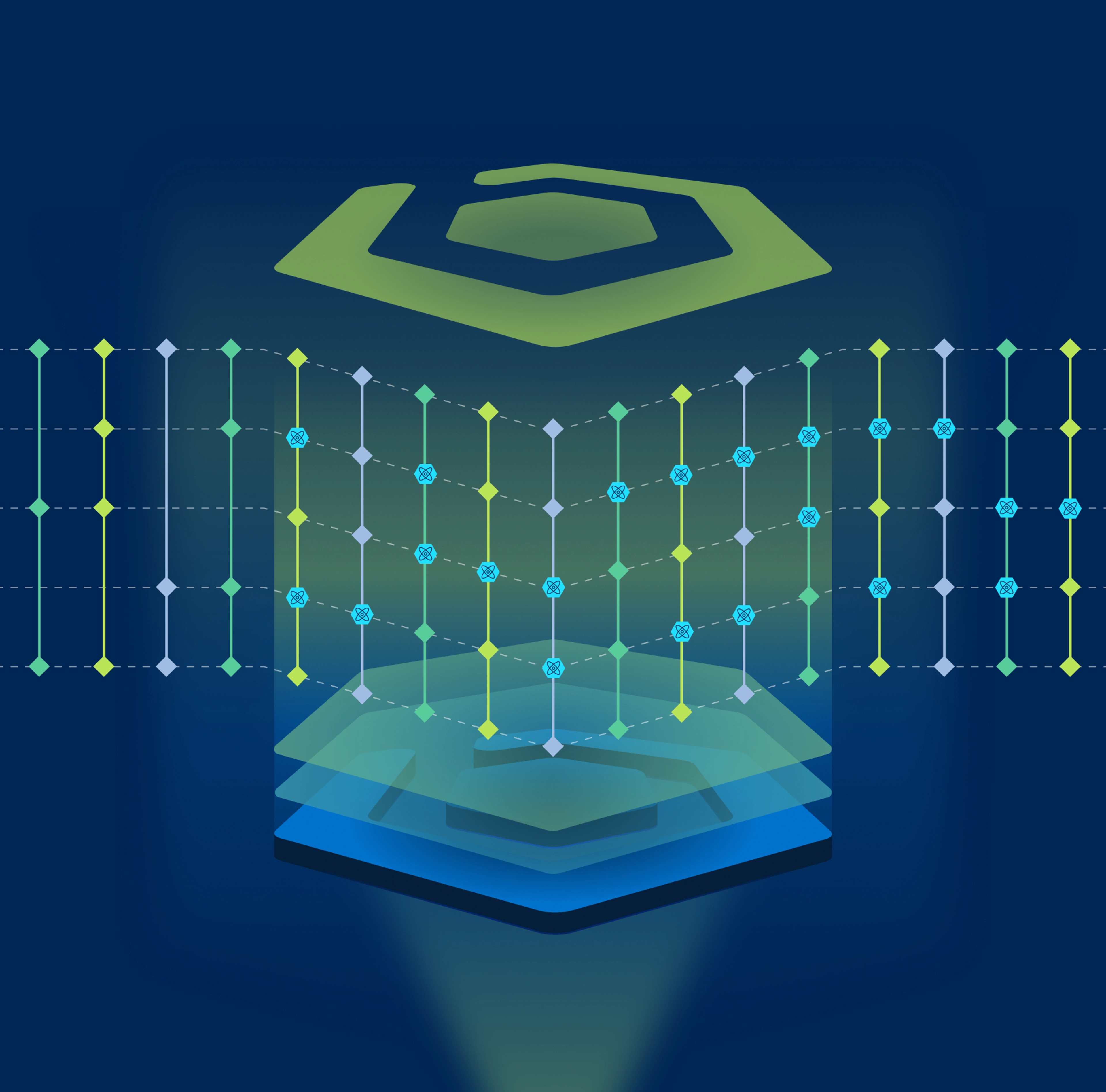
The three layers of the Brinqa platform work together to power continuous threat exposure management (CTEM). Each one builds on what the layer below it provides.

Data Layer

Scoping & Discovery: The CyberRisk Graph™ establishes the complete scope of assets, vulnerabilities, and relationships across the environment—providing the clean, enriched data the AI Layer needs to make reliable inferences and prioritization decisions.

AI Layer (This Layer)

Prioritization: The AI Layer closes data gaps and improves quality, accelerating human-in-the-loop decisions for unassigned vulnerabilities, missing asset owners, crown jewel classification, and other critical attributes. Outputs flow directly into the Orchestration Layer for automated remediation.

Orchestration Layer

Mobilization: The orchestration layer takes AI-attributed findings and cyber risk prioritization signals and turns them into structured workflows, automated ticketing, and reporting. The quality of orchestration depends directly on the quality of AI attribution and deduplication.

Lead Cyber Risk With Confidence