

DataLayer
Scoping & Discovery:
Ingests, normalizes, and retains data from every connected source. Preserves the relationships, context, and lineage that make downstream intelligence reliable.
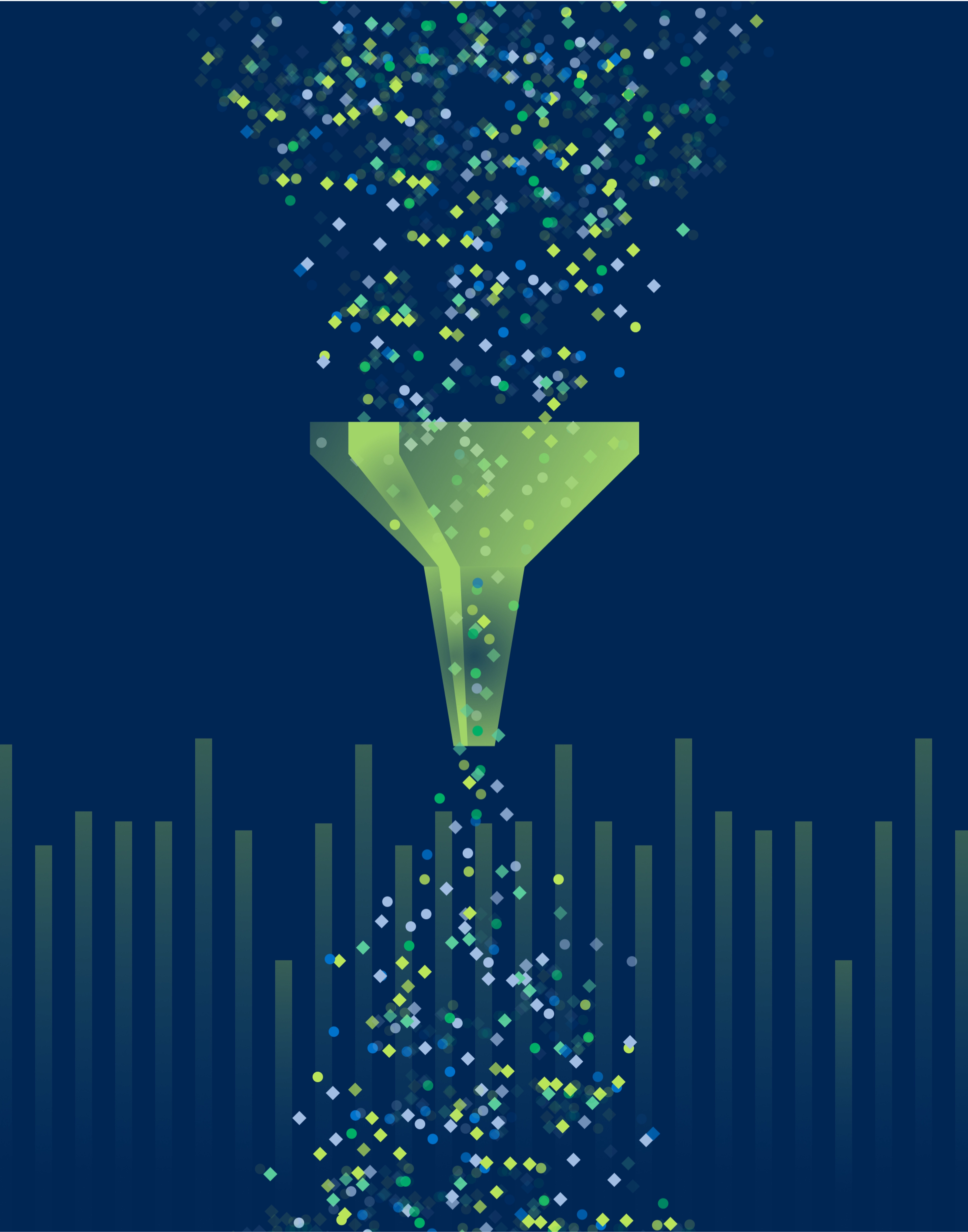
Most enterprises have invested heavily in tooling. The data is flowing – what’s broken is everything that happens after it lands. Findings arrive without the business context needed to make them actionable. The operational impact shows up across every vulnerability management program:
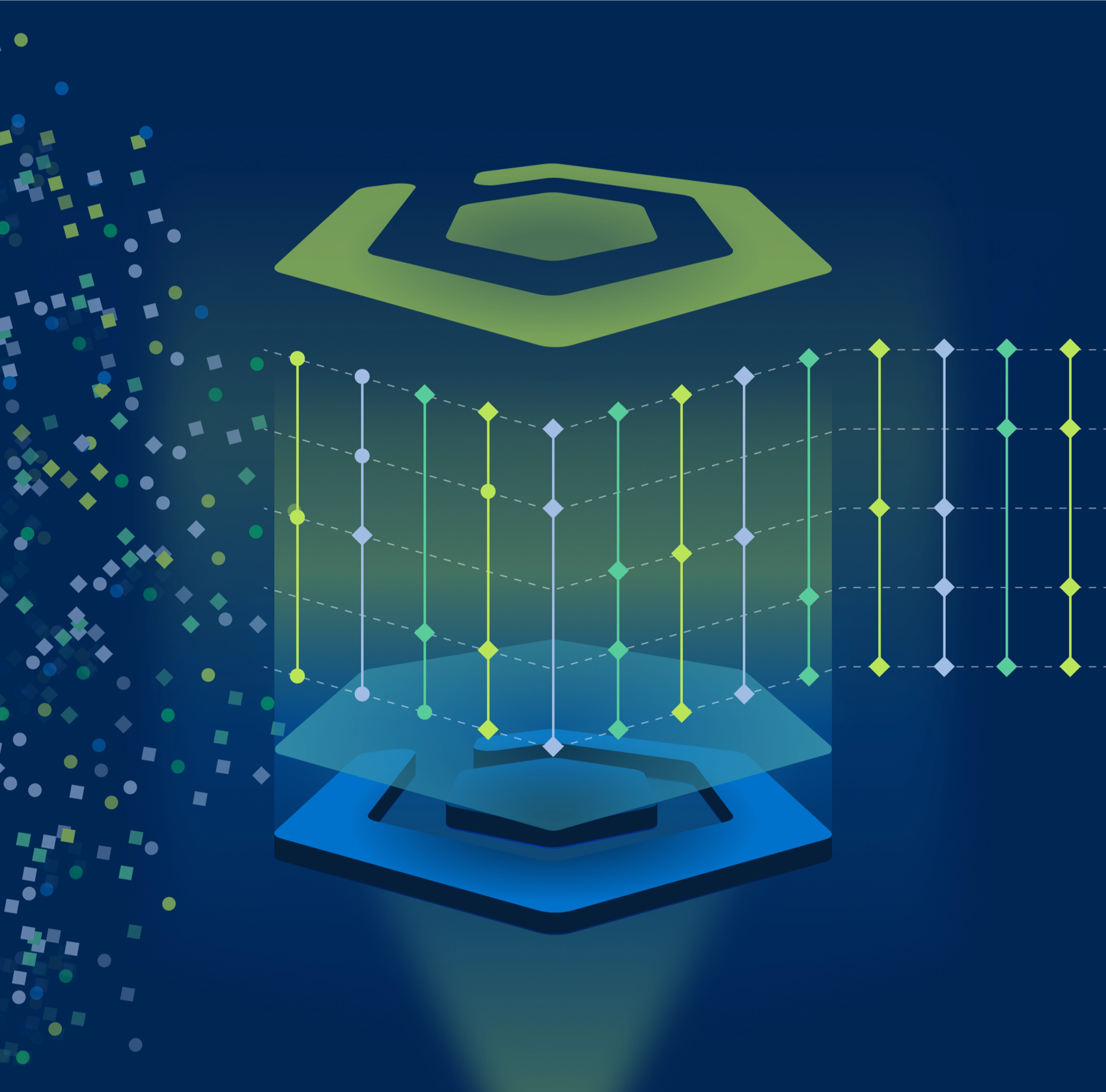
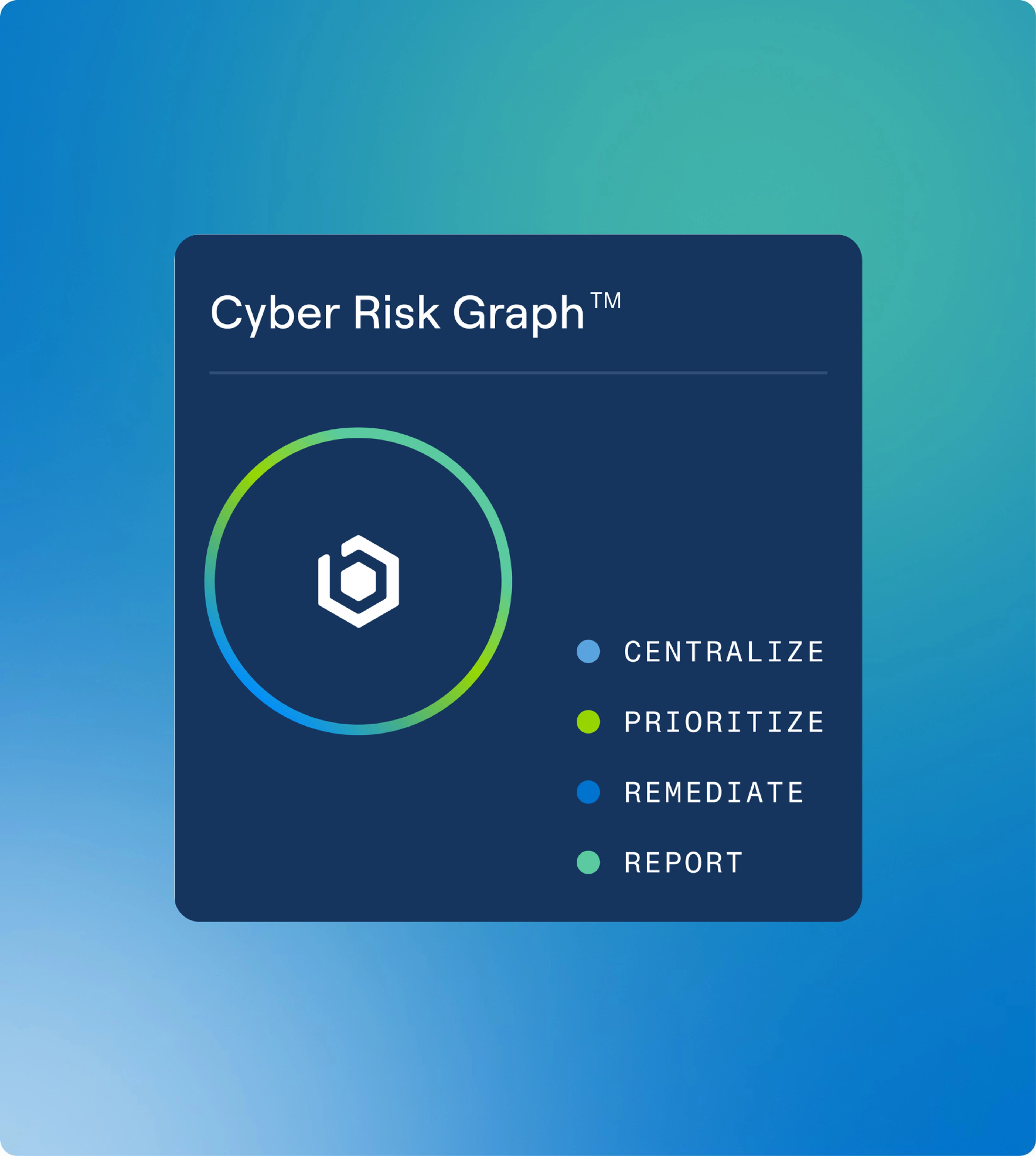
At the core of Brinqa’s Data Layer is the CyberRisk Graph™, a data model built to flex and expand with enterprise complexity.
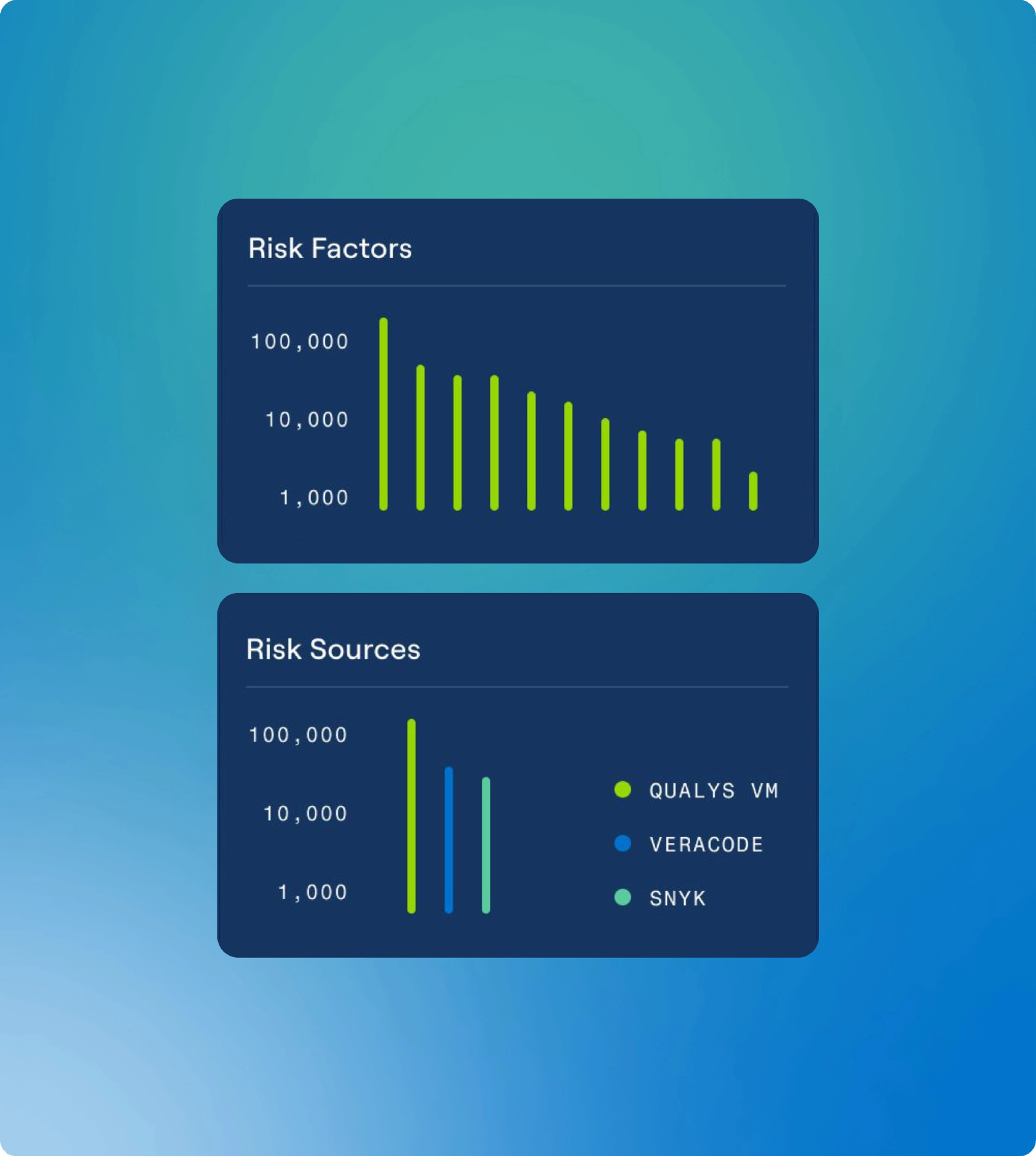
The Brinqa Platform doesn’t just ingest data; It contextualizes, normalizes, and cleanses exposure data from any source without forcing it into rigid schemas, enabling unified exposure management across your entire environment.
That means every AI recommendation, every prioritization call, and every remediation workflow above it is built on a foundation you can trust.
The Brinqa Platform dynamically scales compute and database resources based on actual workload, so performance stays consistent as data volumes grow across tools, cloud environments, and business units.
The Brinqa platform has the industry’s largest portfolio of data integrations (300+) and imposes no rigid schema requirements. Ingest CVEs, telemetry, misconfigurations, custom attributes, and business context without losing fidelity.
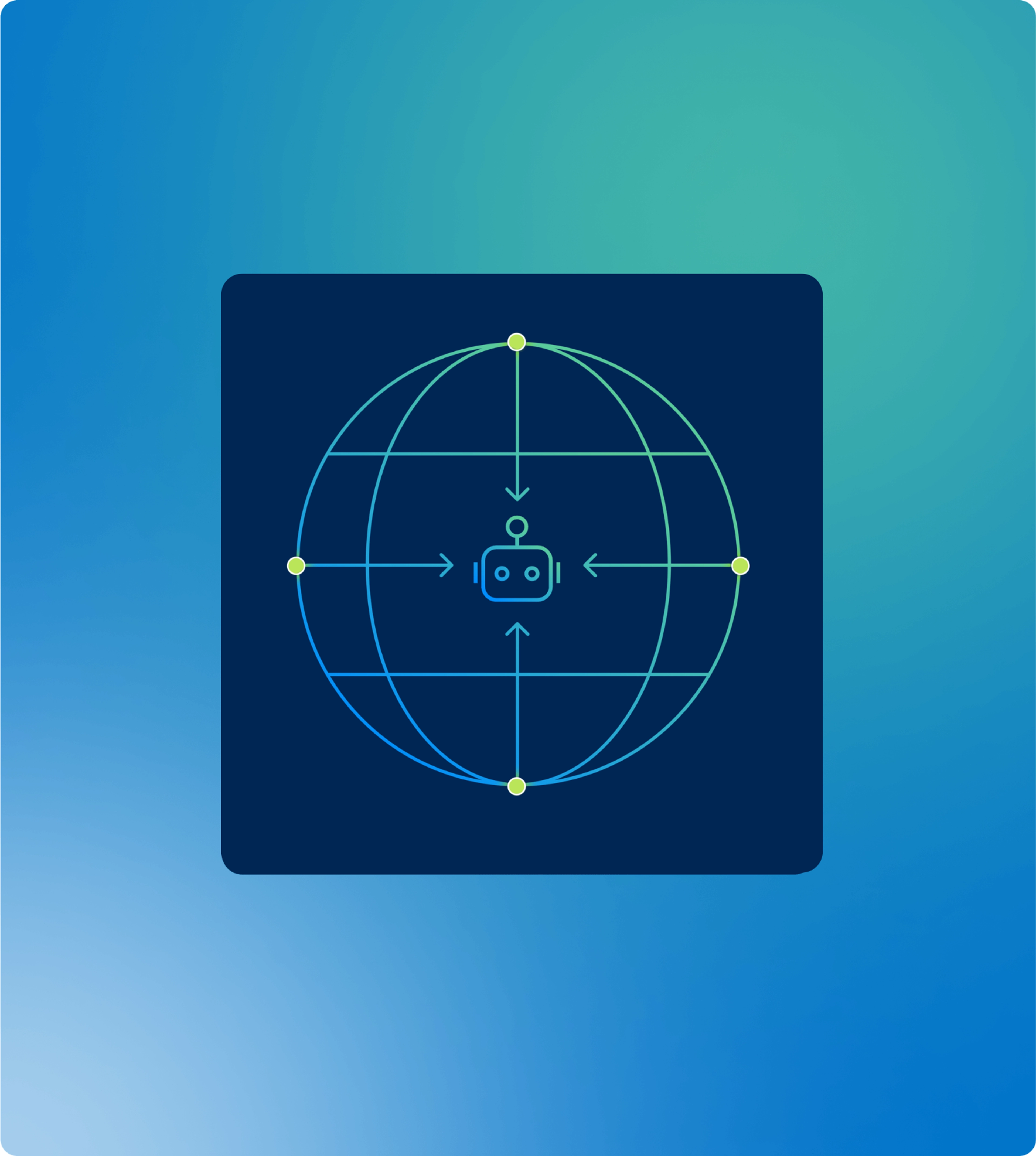
The CyberRisk Graph™ is not a closed system. Organizations can use Brinqa's native AI agents out of the box, or build custom AI agents and agentic workflows that connect directly to Brinqa's trusted exposure data via API or MCP. Every path returns the same gold record data quality, source precedence, and full auditability. The AI strategy is your choice. The foundation stays the same.
BrinqaDL is a cloud-native security data lake that serves as the system of record for your exposure management program, retaining findings, relationships, context, and lineage rather than stripping them for performance.
BrinqaDL is available as an add-on with separate pricing.
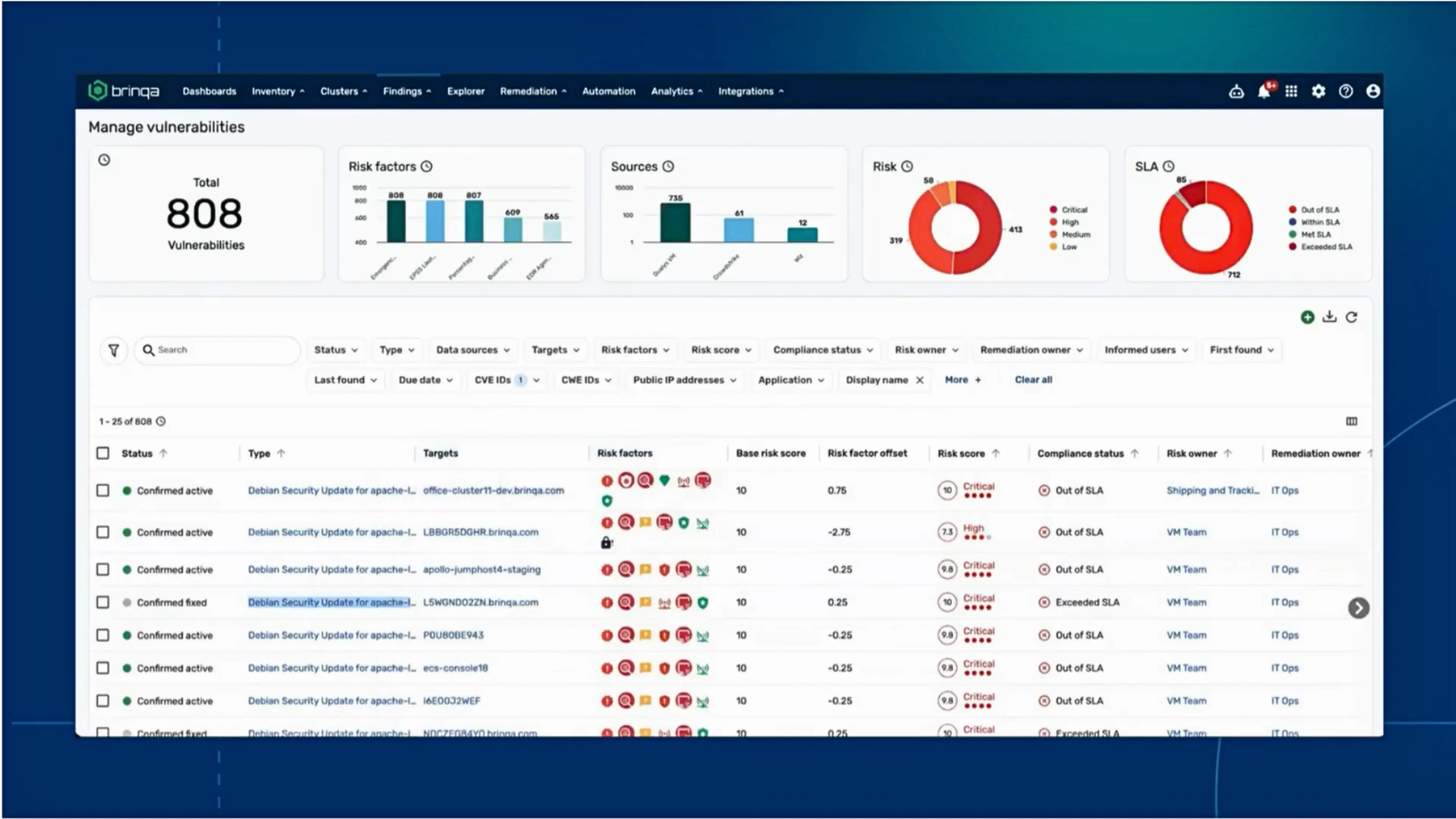
See how Brinqa preserves relationships and attributes across every exposure record — and why that changes every prioritization decision downstream.
Five findings in five tools for one real vulnerability. Teams spend hours reconciling what should have been one ticket.
The CyberRisk Graph™ normalizes and correlates findings into a single, remediation ticket.
Ownership records are missing or stale. Exposures sit in the backlog because nobody is clearly accountable.
The Data Layer preserves relationship context and attribute data, then enables the AI Layer to infer missing ownership from patterns in your data.
Rigid schemas discard context on import or prohibit data types and data fields from being ingested. Decisions get made on an incomplete picture of the environment.
Every attribute, relationship, and signal is retained and used for input into the data model. All the data is used to determine ownership, prioritize what matters most and create reports.
Custom AI agents and enterprise AI systems can't access exposure data without replacing existing tools or maintaining fragile custom integrations.
The BYOAI framework connects any AI agent to Brinqa's trusted data foundation via API or MCP — no connector required, full auditability retained.
Historical data lives in spreadsheets or disconnected systems. Trend analysis and audit support require manual assembly.
BrinqaDL retains years of enriched exposure and remediation data, queryable through the platform or external tools.
| Before and After | Without a Unified Data Foundation | With the Brinqa Data Layer |
|---|---|---|
Duplicate Findings & Data Normalization |  Five findings in five tools for one real vulnerability. Teams spend hours reconciling what should have been one ticket. |  The CyberRisk Graph™ normalizes and correlates findings into a single, remediation ticket. |
Ownership & Accountability | Ownership records are missing or stale. Exposures sit in the backlog because nobody is clearly accountable. | The Data Layer preserves relationship context and attribute data, then enables the AI Layer to infer missing ownership from patterns in your data. |
Data Completeness & Flexibility | Rigid schemas discard context on import or prohibit data types and data fields from being ingested. Decisions get made on an incomplete picture of the environment. | Every attribute, relationship, and signal is retained and used for input into the data model. All the data is used to determine ownership, prioritize what matters most and create reports. |
AI Agent Connectivity | Custom AI agents and enterprise AI systems can't access exposure data without replacing existing tools or maintaining fragile custom integrations. | The BYOAI framework connects any AI agent to Brinqa's trusted data foundation via API or MCP — no connector required, full auditability retained. |
Historical Data & Compliance | Historical data lives in spreadsheets or disconnected systems. Trend analysis and audit support require manual assembly. | BrinqaDL retains years of enriched exposure and remediation data, queryable through the platform or external tools. |
Ingests, normalizes, and retains data from every connected source. Preserves the relationships, context, and lineage that make downstream intelligence reliable.
Operates on the unified data from the CyberRisk Graph – with the ability to overlay historical context from BrinqaDL – to close ownership gaps, deduplicate findings, and surface prioritized risk. Every AI recommendation is only as trustworthy as the data it runs on.
Turns AI-attributed findings and prioritized risk into structured workflows, automated ticketing, PlexTrac-driven validation, and reporting that gives every stakeholder the view they need. Reliable orchestration depends on reliable, validated data.