Platform Orchestration Layer

The Mobilization Layer for AI-powered Programs.

The Brinqa Platform’s orchestration layer turns cyber risk data into action through continuous prioritization automation, enabling guided remediation and cross-team collaboration with full transparency.

The Challenge

Why Exposure Management Programs Struggle to Show Progress

Even with clean data and AI-powered prioritization, most vulnerability management programs hit the same wall when it comes to execution. The gap between knowing what matters and actually fixing it remains wide. When executives ask how remediation efforts have reduced risk, teams struggle to quantify and measure the actual impact. The structural problems holding programs back include:

  • Remediation workflows don't connect to the tools teams actually use for remediation, forcing manual translation of tickets into the actual remediation actions.
  • Dashboards built from different sources show conflicting numbers, eroding confidence in the program’s metrics and making CISO risk reporting difficult
  • Teams resist using AI functionality when they don't have human-in-the-loop controls to adjust what the AI is doing.

The Data Layer

Exposure Management Orchestration that Connects Visibility to Action

The Orchestration Layer is where cyber exposure management becomes operational, translating risk into action, accountability, and outcomes. Security risk is automatically mapped to asset owners, teams, applications, and business services, turning exposure data into actionable work aligned to how the organization actually operates.

Teams see not just what to fix, but who owns it, why it matters to the business, and how remediation reduces risk. Elevated trust drives faster closure and measurable outcomes.

Core Capabilities

Core Capabilities for Cyber Risk Prioritization and Remediation

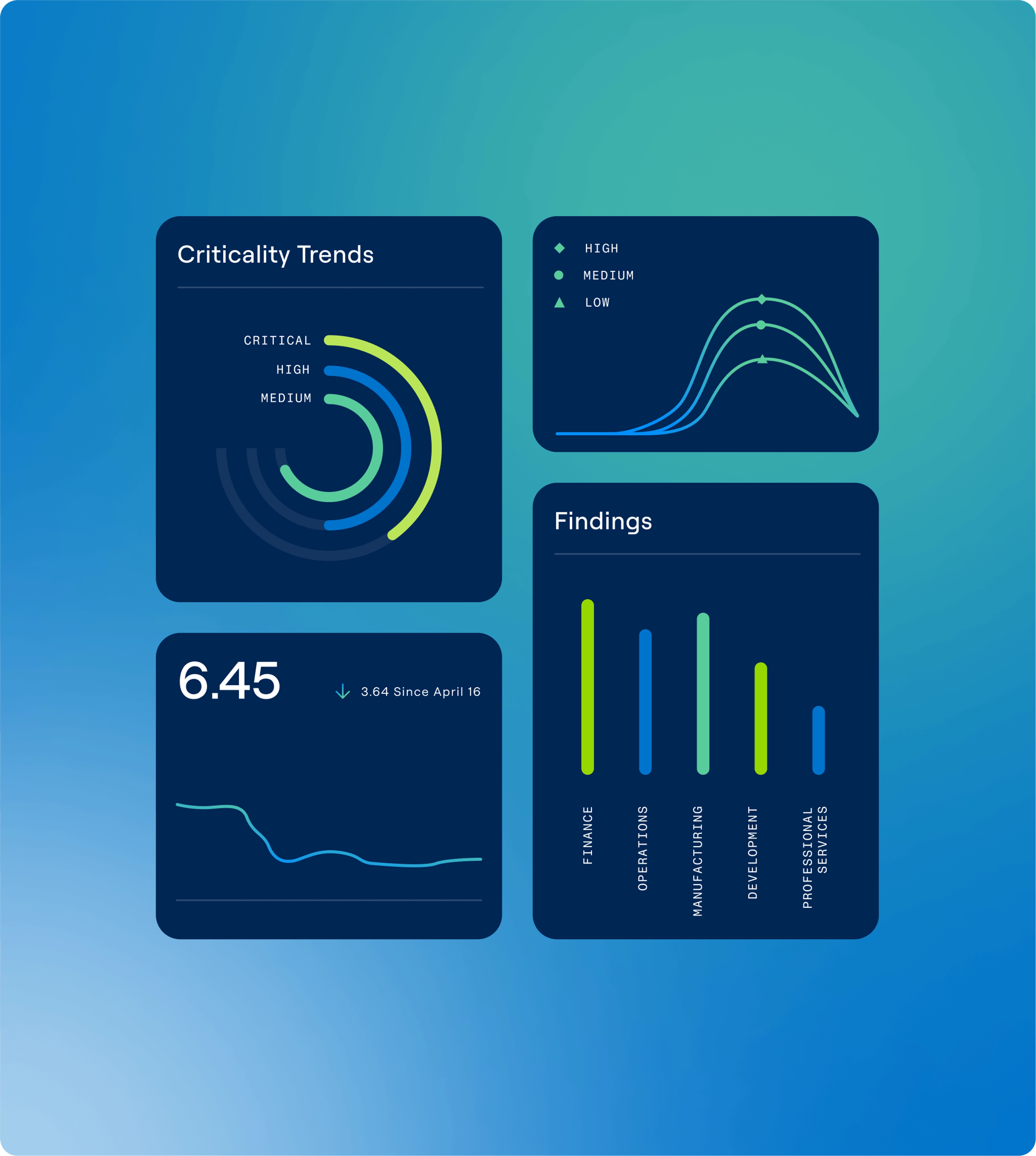
Out-of-the-box and customizable dashboards for risk prioritization, exploit tracking, threat maturity, SLA monitoring, and MTTR. Dashboards operate on the same unified data foundation with consistent cyber risk scoring across all stakeholders, making CISO risk reporting defensible.


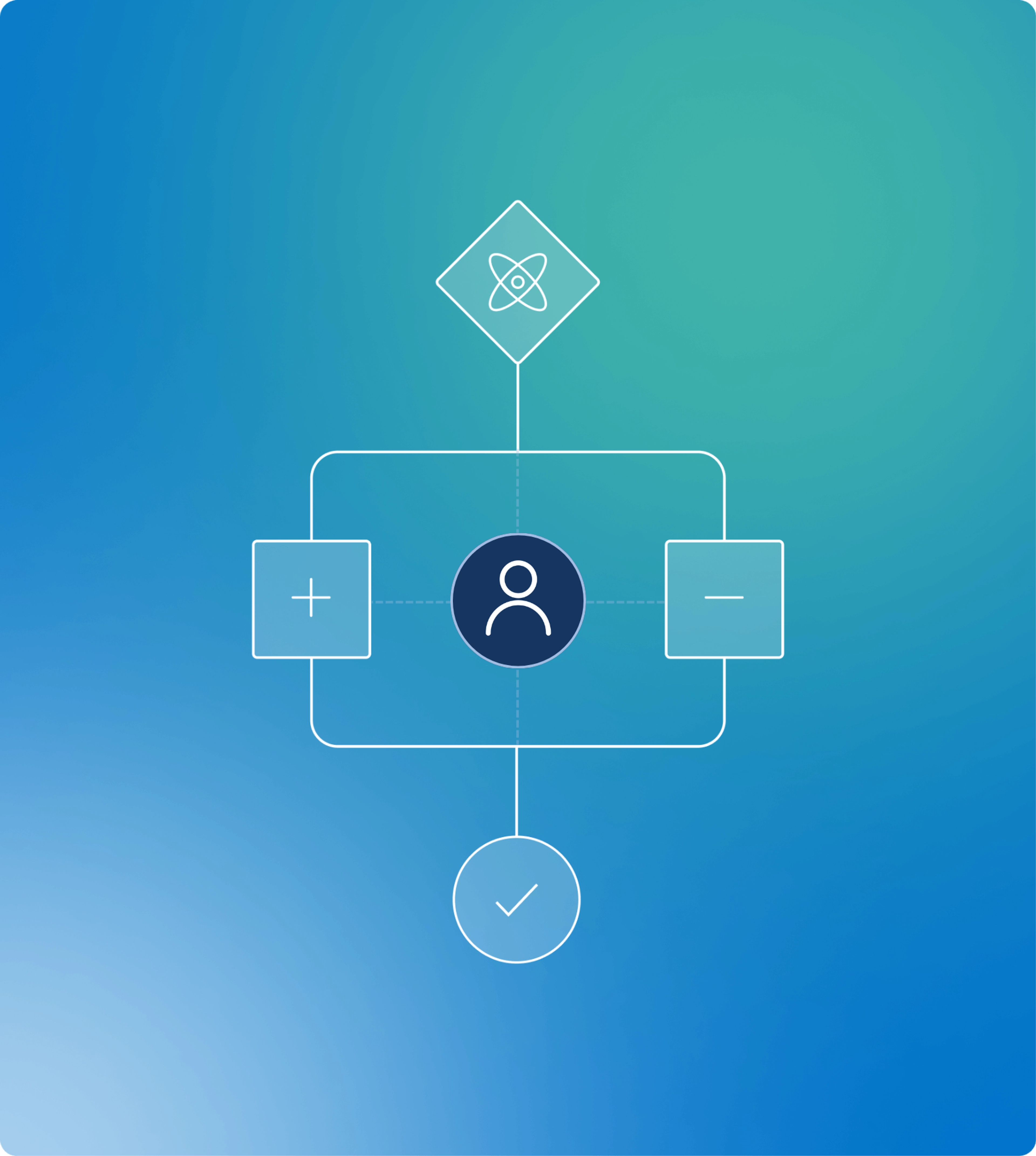
Configurable confidence thresholds, validation checkpoints, and decision-level explainability for every AI feature. Teams control how the AI agents infer ownership, merges findings, and where human review is required before automation proceeds. The AI does the work; humans stay in control.

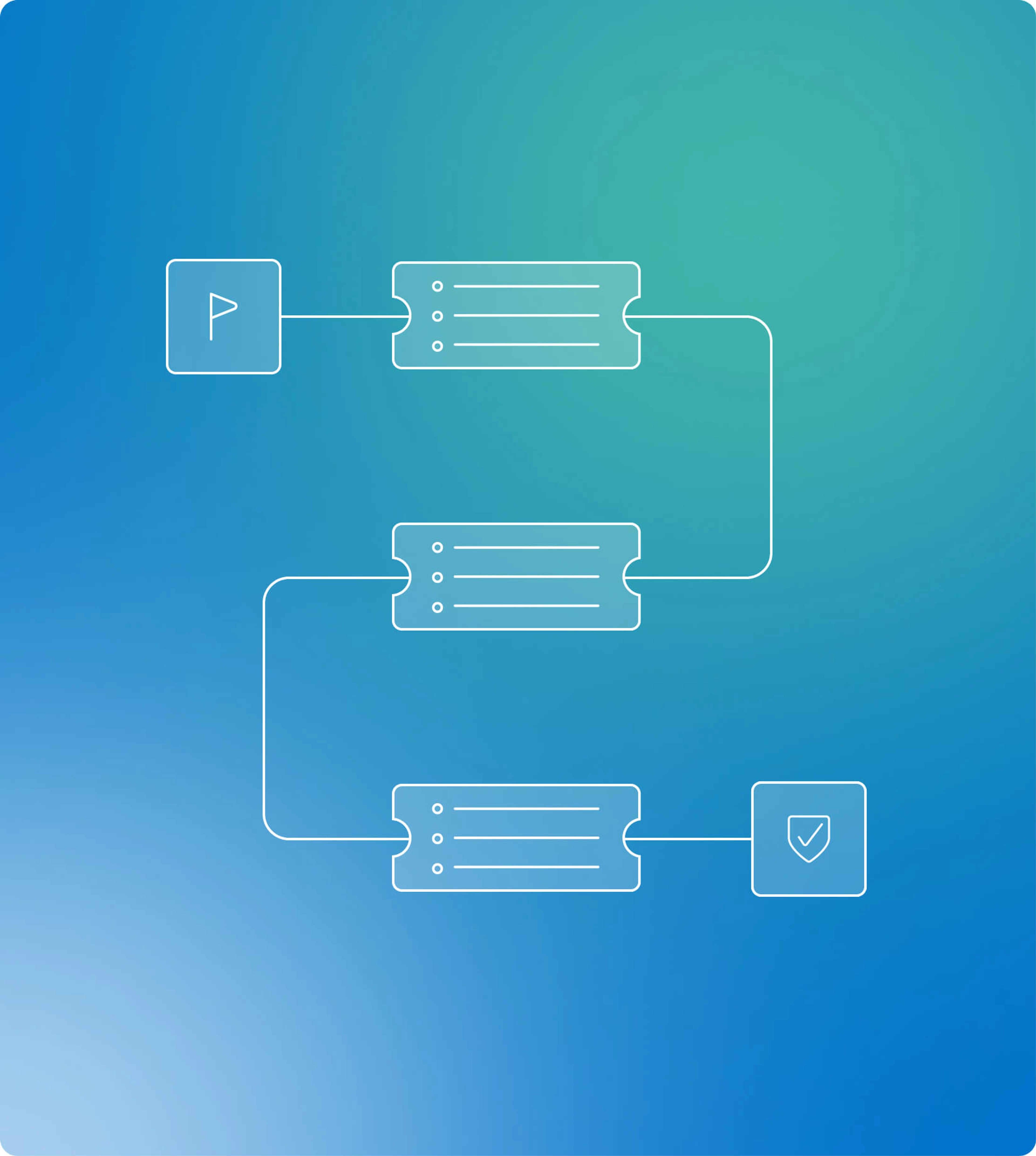
Drag-and-drop workflow automation for building policy-driven remediation workflows without code. SmartFlows enables RBVM with dynamic rules libraries that incorporate threat intelligence, exploitability signals, known exploited vulnerabilities, and MITRE ATT&CK mappings as default logic – so workflows are intelligence-driven from day one.

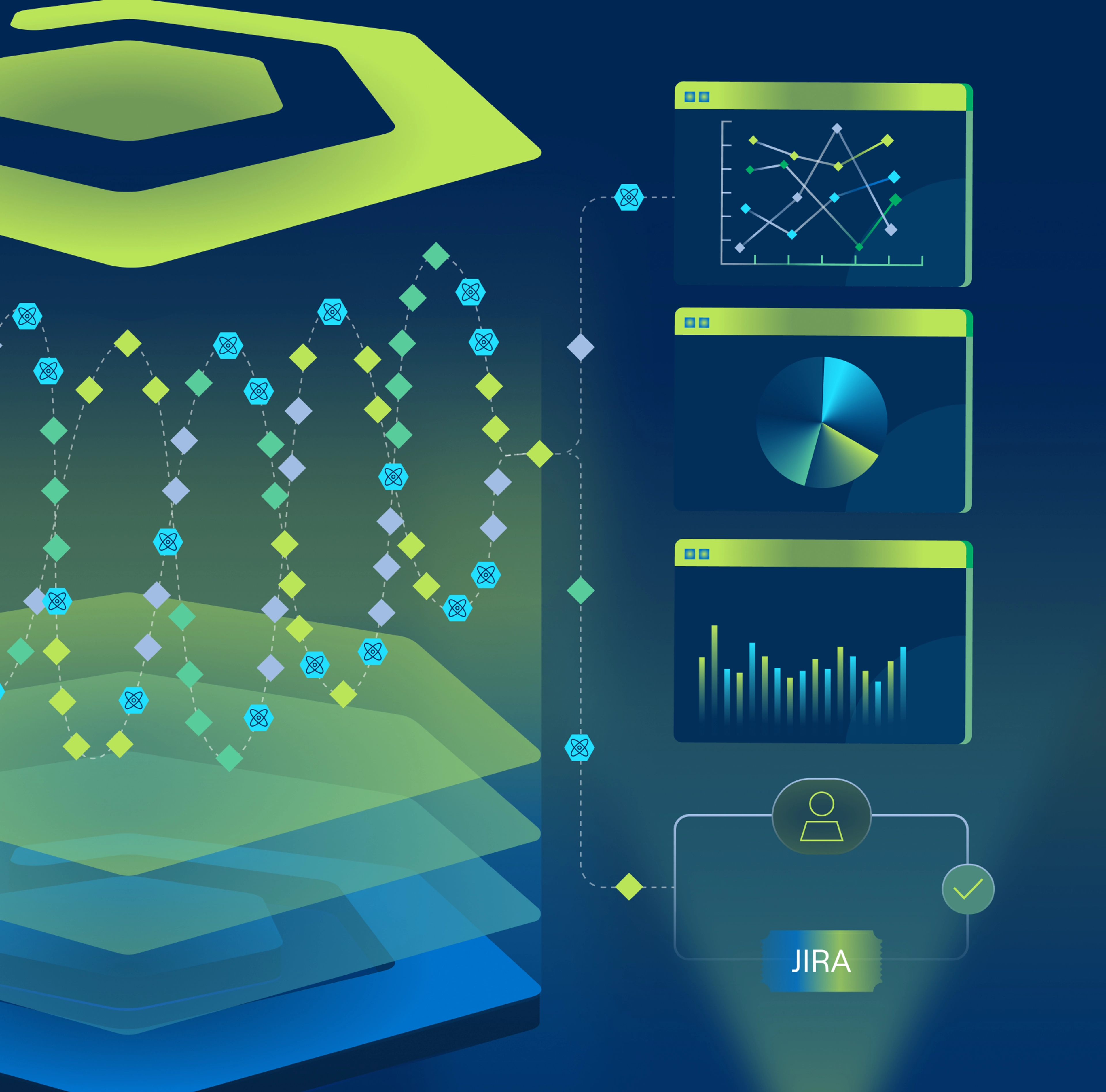
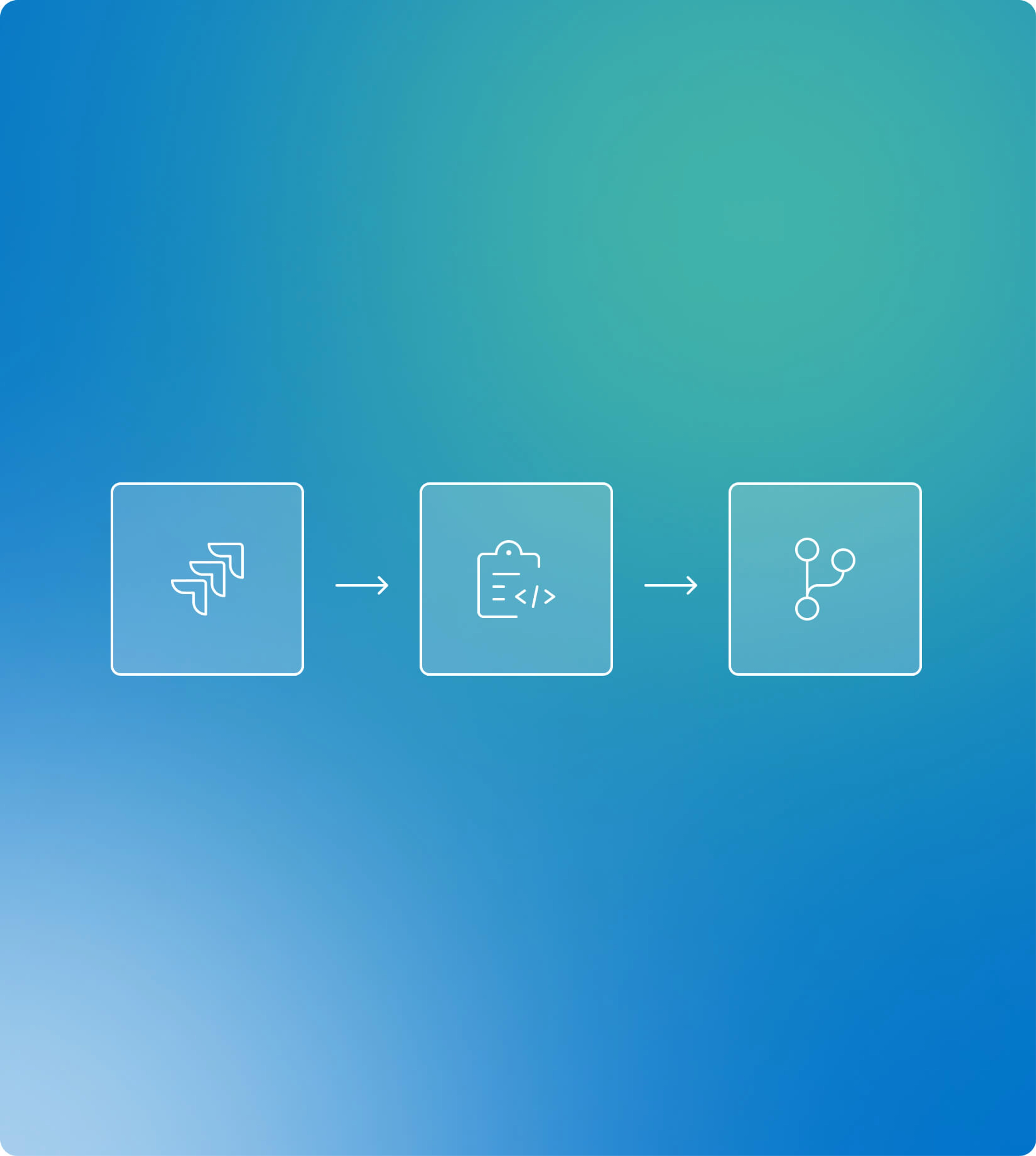
Bi-directinal and closed loop integrations with ticketing and collaboration tools remediation teams already use, including Jira, ServiceNow, Slack, and email. Workflows automatically generate tickets with full context, attributed ownership, prioritized risk signals, and remediation guidance, so teams receive actionable assignments rather than raw scanner output.

See how Brinqa automates remediation routing

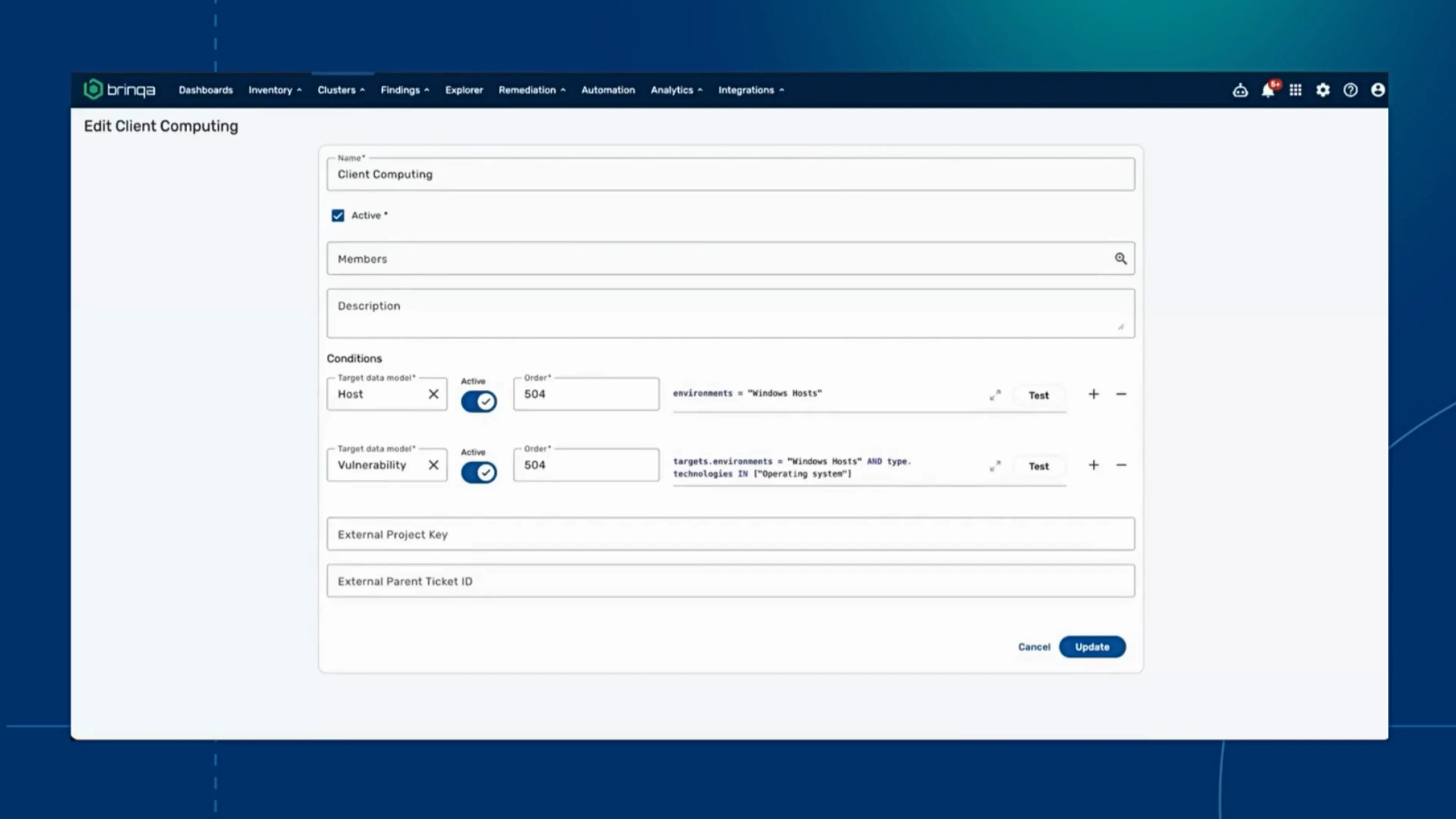
Orchestration Starts With Knowing Who Owns What.

See how Brinqa splits ownership across OS, application, and server layers automatically — giving SmartFlows the precise assignments it needs to execute.

WHO IT’S FOR

Who Benefits from Brinqa’s Unified Exposure Management Orchestration:

  • CISO / Security Leadership

    Board-ready CISO risk reporting with consistent, defensible metrics that show measurable exposure reduction over time. Dashboards reflect the same unified data technical teams see, so you’re never caught explaining why two dashboards show different numbers for the same program.

    Learn MoreLearn More
  • Director of Vulnerability & Exposure Management

    Remediation workflows that execute consistently across teams, with automated ticketing that includes full context so remediation teams know what to fix and why. Dashboards track SLAs, MTTR, and backlog status in real time, giving you the visibility you need to manage the program.

    Learn MoreLearn More
  • Technical Teams (AppSec, CloudOps, NetSec, IT Ops)

    Tickets that arrive in the tools you already use, with the context you need to act: attributed ownership, prioritized risk, and clear remediation guidance. No more sorting through raw scanner output to figure out what actually matters.

    Learn MoreLearn More

Orchestrated Exposure Management vs. Stalled Security Programs

Without the Orchestration Layer

Remediation tickets lack context. Teams receive findings without understanding priority, business impact, or why they’re responsible.

With the Brinqa Orchestration Layer

SmartFlows routes findings with full attribution, prioritization signals, and remediation guidance. Teams know what to fix, why it matters, and what to do.

Without the Orchestration Layer

Different dashboards show different numbers. When the CISO presents to the board, the metrics don’t match what security teams are seeing.

With the Brinqa Orchestration Layer

Unified dashboards operate on one data foundation. The numbers in CISO risk reporting match what technical teams see, so reporting is defensible.

Without the Orchestration Layer

AI makes decisions nobody understands. Teams lose trust in automation when they can’t see how conclusions were reached.

With the Brinqa Orchestration Layer

Human-in-the-loop controls with confidence sliders and explainability built in. AI does the work, but humans stay in control of how it operates.

Without the Orchestration Layer

Reporting progress requires assembling spreadsheets from five tools. Showing the board measurable risk reduction takes days of prep.

With the Brinqa Orchestration Layer

Dashboards pull from unified exposure management data with historical depth. Trend reporting, SLA tracking, and risk reduction are always available.

The Orchestration Layer’s Role in Continuous Threat Exposure Management (CTEM)

DataLayer

Scoping & Discovery:

The CyberRisk Graph™ provides the clean, enriched, relationship-rich data that enables proactive security and powers every dashboard, report, and workflow in the Orchestration Layer. Reliable orchestration depends on reliable data.

AILayer

Prioritization:

AI-attributed ownership and deduplicated findings flow into the Orchestration Layer, where they’re turned into actionable workflows and unified dashboards. The quality of what teams see depends directly on the quality of AI-powered prioritization.

OrchestrationLayer

Validation & Mobilization:

Delivers visibility, workflow automation, and CISO risk reporting across every team and stakeholder. This is where exposure management data becomes remediation tickets, board presentations, and measurable program outcomes.

Your Cyber Risk Story Starts with Better Data.

See Brinqa in ActionSee Brinqa in Action